
Last updated November 14, 2026
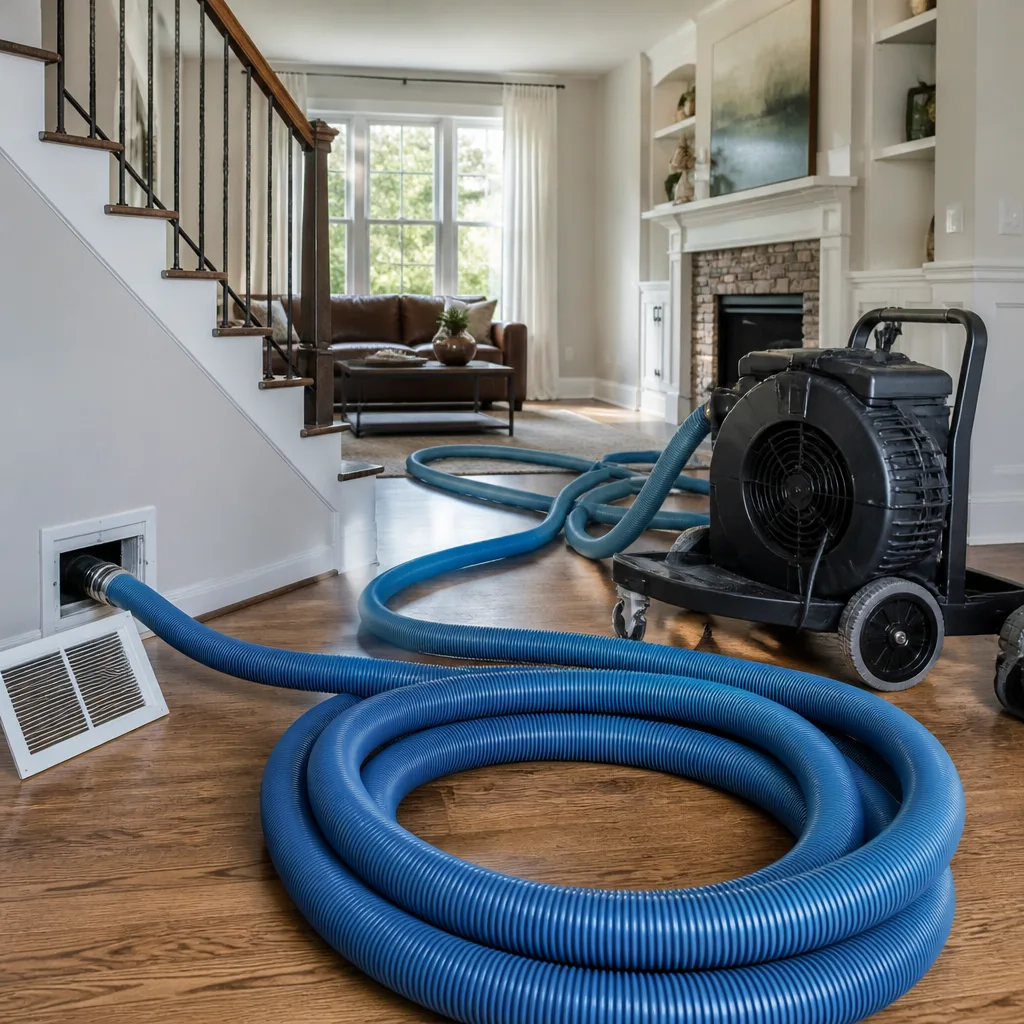 Whole-home duct cleaning
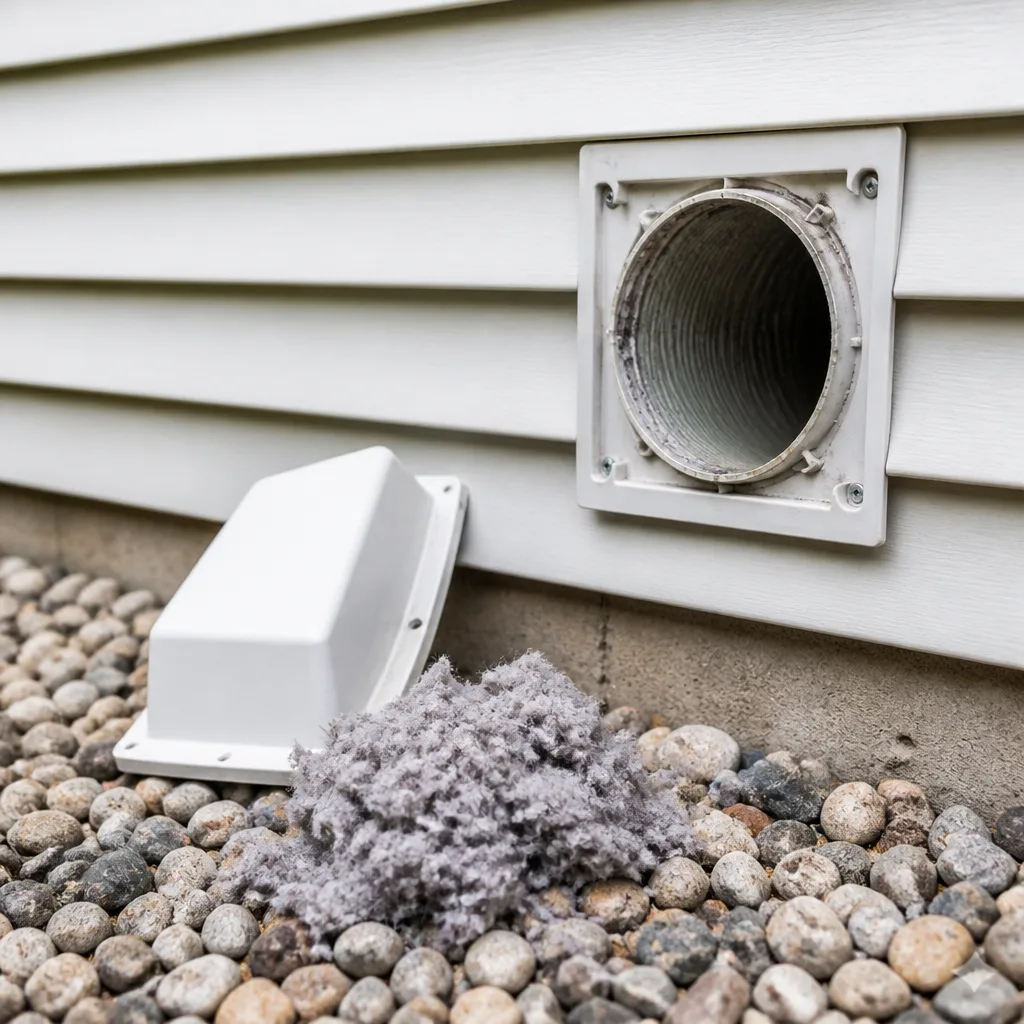 Dryer vent cleaning
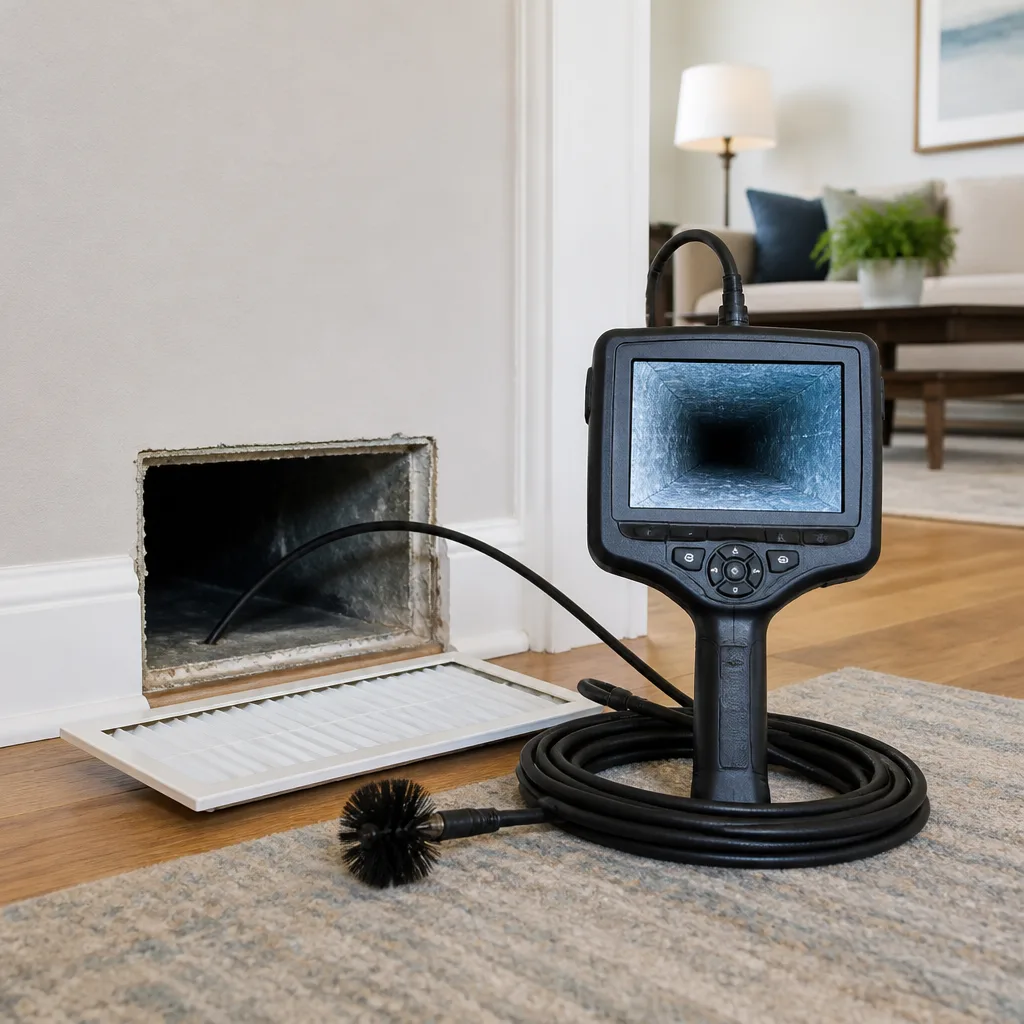 Camera inspection
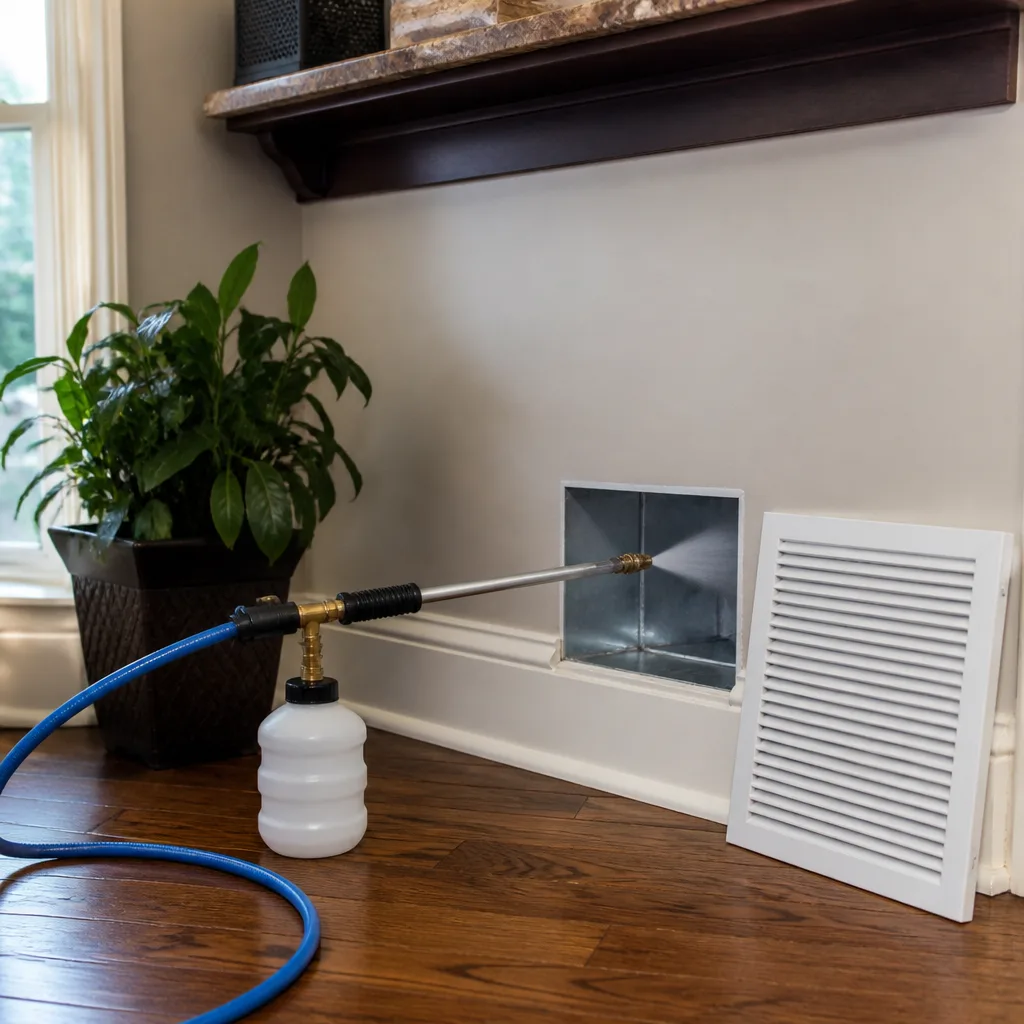 Sanitizing & deodorizing
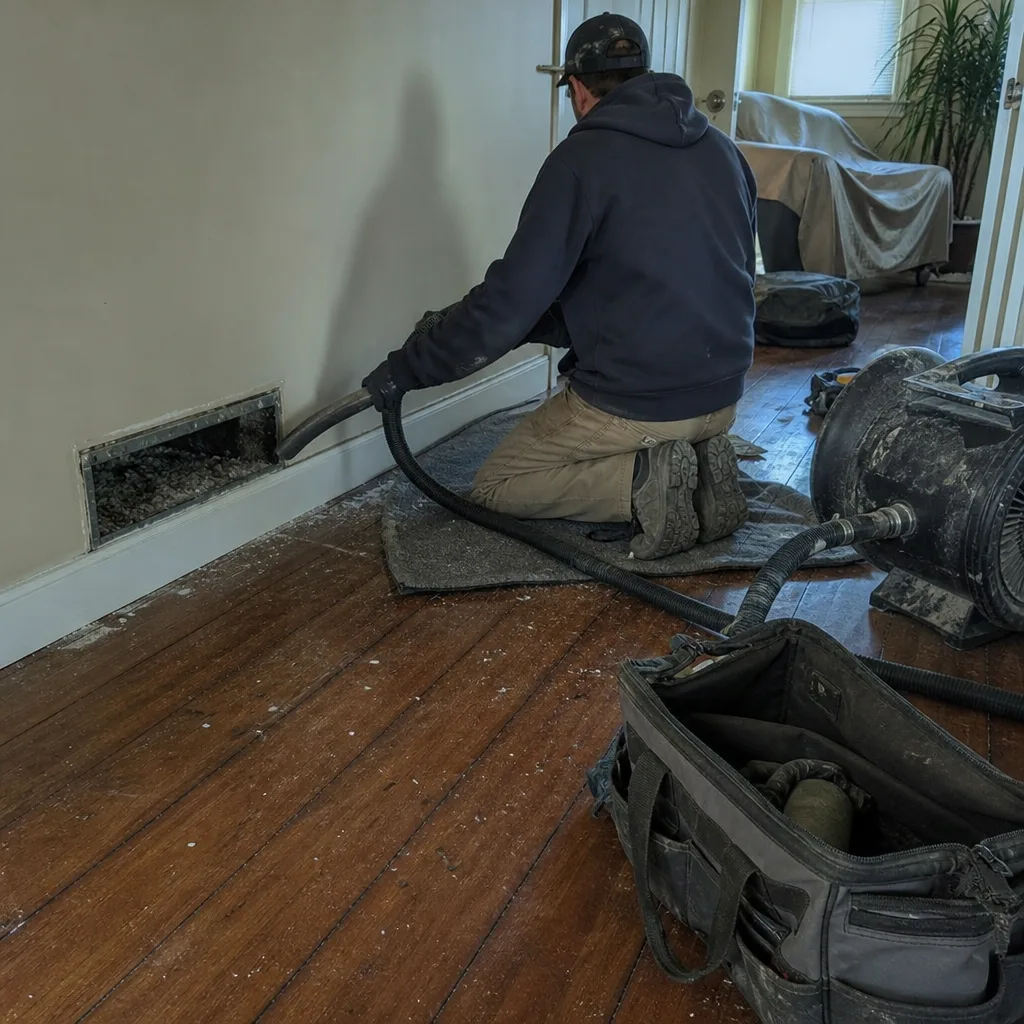
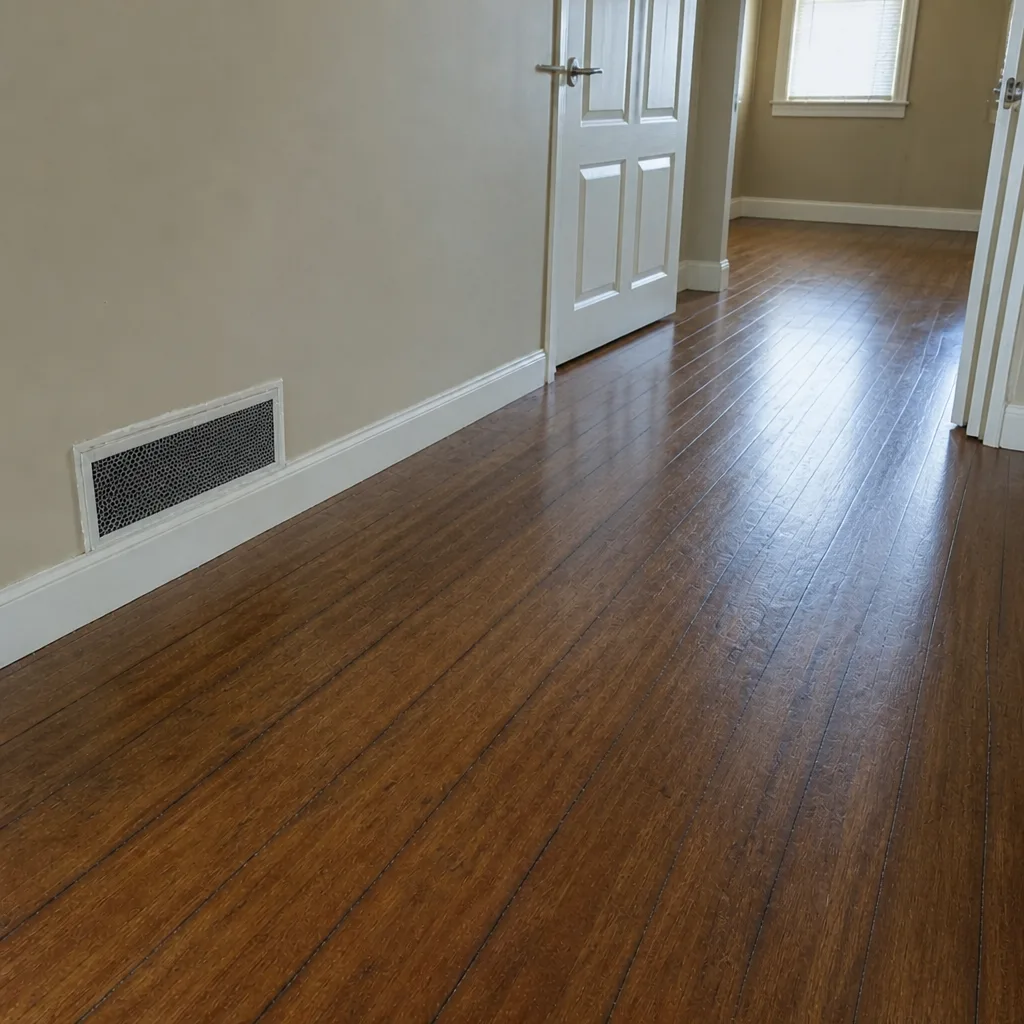
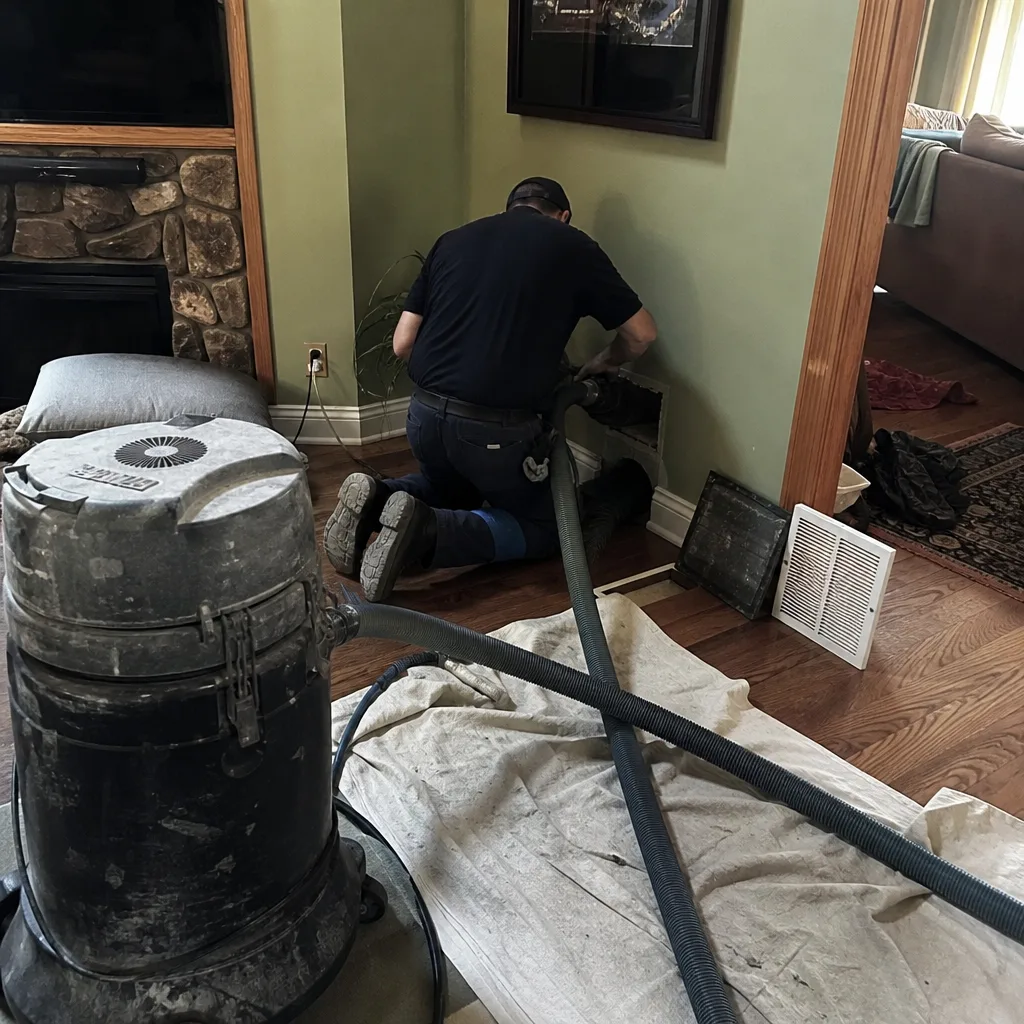
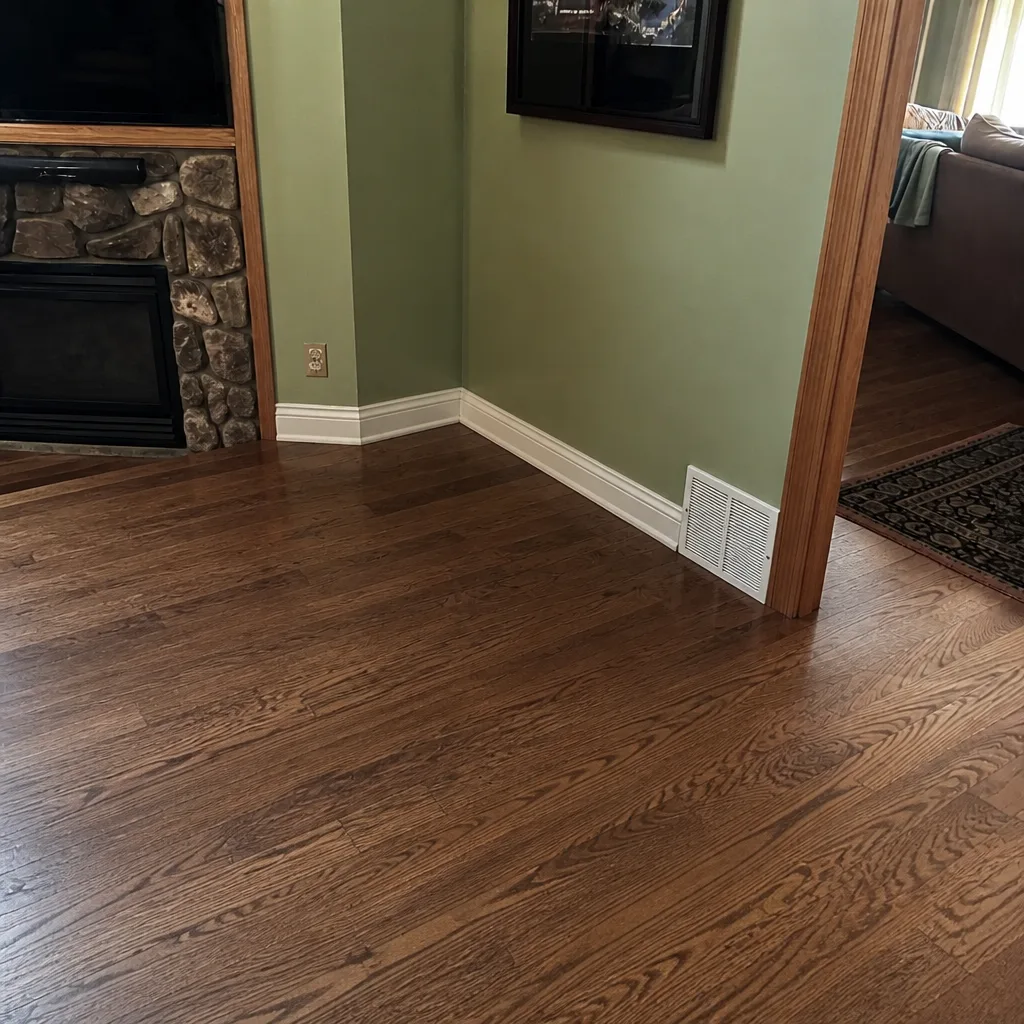
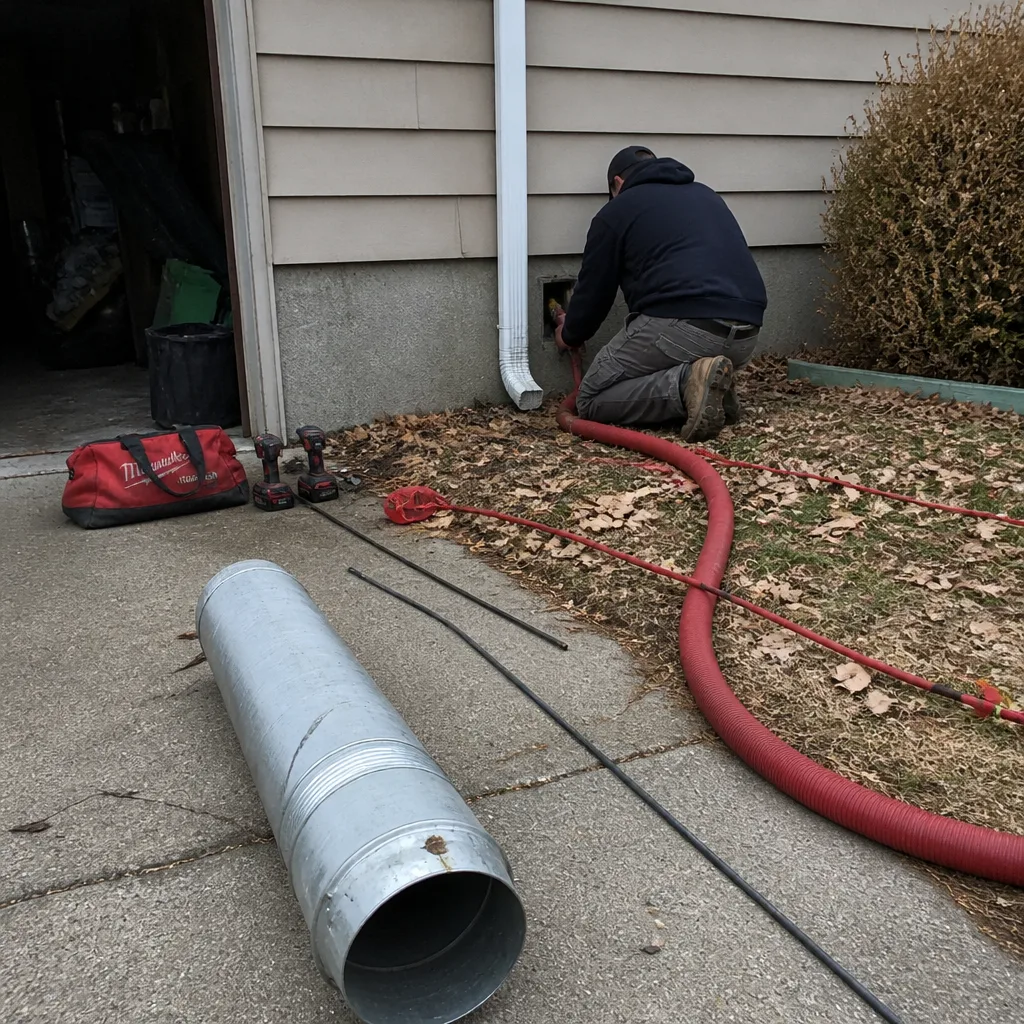
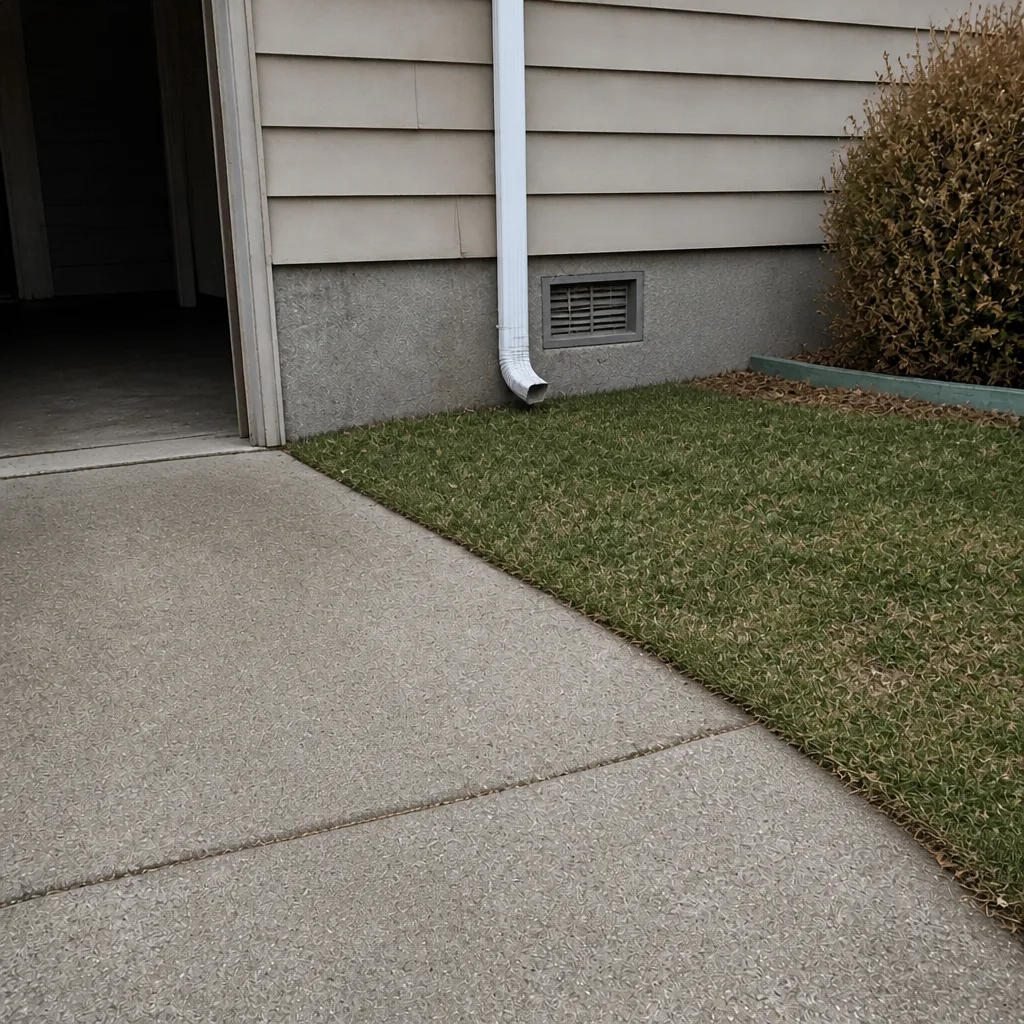
Whole-system duct and dryer vent check with before-and-after photos - you see exactly what came out of your vents
That "$99 whole-house special" is a bait ad - the real number appears once they are in your hallway, or the "clean" is a shop-vac at the register. We photograph the inside of your ducts before and after instead.
Air Duct Cleaning Warning Signs: A Kansas City Homeowner’s Reference Guide
Dust on your registers is not a warning sign. It’s normal. Every home in Kansas City collects it, and wiping a grille down is part of ordinary housekeeping. But dust that reappears within 48 hours of wiping a register is different. That pattern points to an airflow volume or filtration problem that cleaning alone won’t fix, and it’s the kind of specific, observable signal most warning-sign articles never mention. This guide separates the ordinary aging of a duct system from the indicators that mean something is actively wrong. You’ll learn what fiberglass deposition looks like, how to trace an odor to the air handler versus the duct runs, why one room never reaches setpoint, and which Kansas City events should trigger an inspection no matter when you last had the ducts cleaned.
Styles & brands we work with
- Whole-home duct cleaning
- Dryer vent cleaning
- Camera inspection
- Sanitizing & deodorizing
Quick Answer
The warning signs that matter most are dust that returns within 48 hours of wiping a register, visible fiberglass fibers on grilles, musty odors that appear only when the blower runs, rooms that never reach setpoint during a normal run time, and pest debris at duct joints. These are specific enough to distinguish normal dust from an active duct system problem. If you’re seeing any of them, an inspection is worth more than a cleaning coupon.
Table of Contents
- Normal Dust vs. a Real Duct Problem
- Fiberglass Deposition: The Sign Homeowners Miss
- The Musty Odor Diagnostic: Air Handler vs. Duct Runs
- Airflow Asymmetry and the Room That Never Catches Up
- What Pest Activity in Ducts Actually Looks Like
- Kansas City Triggers: Flood, Renovation, and Smoke Events
- The Filtration and IAQ Systems Already in Your Home
- Common Mistakes to Avoid
- When to Call a Professional
- Frequently Asked Questions
Normal Dust vs. a Real Duct Problem
Most of what lands on a register grille is house dust doing what house dust does. It settles, it clumps, and it looks about the same in a home that was cleaned last year as one that was cleaned five years ago. The distinction that matters isn’t whether there’s dust. It’s the rate at which the dust comes back and what the dust is made of.
Here’s a practical way to tell them apart. Wipe one register grille completely clean with a damp cloth. Note the date. Check it again in two days:
- A light, even film returning over weeks: normal. That’s ambient dust in the room settling on a surface, not the system pushing debris out.
- A visible coating returning within 48 hours: abnormal. Something is delivering particles to that grille faster than the room can settle them, which usually means the return side is pulling in unfiltered air or the supply branch is shedding material.
- Dust concentrated on one or two grilles and not others: a localized branch problem, not a whole-house issue. A joint may have opened or a run may have lost its seal.
- Dust that feels gritty or leaves a dark ring: could be debris from a deteriorating liner or a filter that’s bypassing at the frame.
Kansas City sits in a climate with genuine seasonal swings, which matters here. Summer humidity makes dust cling and darken; winter heating dries the air and makes the same dust airborne longer. A house that looked fine in October can look alarming in January without anything having changed in the ducts. That’s why the 48-hour wipe test is more reliable than a seasonal impression. It gives you a baseline instead of a vibe.
Fiberglass Deposition: The Sign Homeowners Miss
Duct board and flex duct both have an interior liner, and that liner has a service life. When it starts to break down, the material releases fibers into the airstream, and those fibers land on the supply registers. Homeowners often mistake this for ordinary dust because it’s pale and fine. It isn’t the same thing, and cleaning won’t stop it.
What fiberglass deposition actually looks like on a grille:
- Pale gray or yellowish fuzz rather than brown or black dust. The color is the giveaway, since most household dust is darker.
- Fibers that catch on a cloth rather than wiping away smoothly. If the cloth snags, you’re looking at material, not settled dust.
- Concentration on supply registers more than returns, because supply branches carry air out at velocity and drop particles at the grille face.
- Visible shedding inside the boot where the duct meets the register box, often as a rough or powdery surface on what should be a smooth liner.
This is the single most important sign to distinguish from ordinary dust, because the fix is different. A duct cleaning removes the loose material. If the liner has actually failed, the branch needs repair or replacement, or it will keep shedding after the cleaning crew leaves. In our experience, this is where cleaning-only operations hit their ceiling and where the ability to repair ducts in the same visit matters. If you’re seeing pale fuzz on multiple supply registers in a Kansas City home with original builder-grade flex duct, an inspection should include a look inside the branches, not just a cleaning estimate. You can read more about the cleaning process itself on our air duct cleaning page.
The Musty Odor Diagnostic: Air Handler vs. Duct Runs
A musty smell in the house is a symptom, but the location of the source changes the answer. Odors that originate at the air handler are usually about moisture or a wet evaporator coil. Odors that originate inside the duct runs are usually about settled organic debris or a damp liner section. You can often tell which one you’re dealing with before anyone arrives.
Run this simple test:
- Turn the system fan to “on” so air moves without heating or cooling.
- Stand near your air handler or furnace for a minute. Does the smell get stronger?
- Then go to a supply register in the farthest room and smell the air coming out.
- Note the timing. If the smell appears only when the fan starts and fades after, the source is upstream. If it’s steady and localized near certain rooms, the source is in those branches.
An odor that’s strong at the air handler and weak at the far registers points to the cabinet, the coil, or a wet filter. An odor that’s weak at the handler but strong in one zone points to that zone’s duct runs. Kansas City’s humid summers make both more likely: a coil can stay damp for long stretches, and duct liner in a conditioned attic takes on moisture it never fully sheds. Cleaning addresses the debris side. If the source is a wet coil or a cabinet issue, the right call is an HVAC technician, and we’ll say so rather than sell a cleaning that won’t fix it.
If you have a whole-home humidifier or a media filter cabinet paired with your system, mention it when you call. Our technicians are familiar with Honeywell and Aprilaire equipment and can clean around it without disturbing a setup you’ve invested in.
Airflow Asymmetry and the Room That Never Catches Up
Every house has a room that runs a little warm or a little cool. That’s normal. What isn’t normal is a room that used to keep up and now doesn’t, or one that’s consistently several degrees off while the rest of the house is comfortable. Homeowners usually blame the system’s capacity or the thermostat. In many cases the real cause is in the ducts.
Airflow asymmetry shows up as one of these patterns:
- A collapsed flex duct: the run has pinched shut somewhere in the attic or crawlspace, so very little air reaches the register. The register feels weak compared to others on the same system.
- A debris-blocked branch: material has collected in a run or at a fitting and reduced the cross-section, throttling the flow to that zone.
- Leaky joints or a disconnected run: the supply branch is dumping conditioned air into the attic before it reaches the room. This is common in Kansas City homes with long attic flex runs.
- An undersized return: the system can’t pull enough air back, so some rooms starve while others get more than they need.
A quick, non-invasive check: hold a piece of tissue paper against each supply register while the system runs. The airflow should feel similar across registers on the same system. If one is dramatically weaker, that branch deserves attention. A cleaning crew should flag it during the job. We consider this part of the inspection, not a separate sale, which is why we offer duct repair as a named service rather than referring it out. If a collapsed run turns up during cleaning, it can be addressed in the same visit.
What Pest Activity in Ducts Actually Looks Like
Pest activity in a duct system doesn’t usually announce itself with an animal in the living room. It shows up as debris at entry points, a smell that intensifies with airflow, and a pattern of material that’s categorically different from normal dust. This matters because the response is different: pest contamination calls for a more careful inspection of the system’s integrity, not just a cleaning pass.
What to look for:
- Droppings or nesting material near the air handler cabinet, often at the base where a gap in the cabinet or a loose filter frame gives access.
- Pellets or seed casings on top of duct runs in the attic, which point to access through a roof jack, an unsealed boot, or a gap at a plenum.
- Chewed or torn duct liner near a fitting, particularly on flex duct where an animal has worked through the jacket.
- A localized, ammonia-like smell in one zone that’s different from the musty, damp smell of a wet coil.
- Entry points around foundation penetrations or exterior vents where ductwork passes through the building shell.
This is a different finding from ordinary dust because the fix has to include the access point. Cleaning without closing the entry invites a repeat. When we find evidence of pest activity, our approach is to clean using negative-air containment so dislodged material is captured rather than pushed into the rooms, and to identify the compromised section so the access issue can be addressed. If the damage is significant, we’ll tell you what needs repair and what’s a separate trade. Pest exclusion itself is not a service we perform, and we won’t pretend otherwise.
Kansas City Triggers: Flood, Renovation, and Smoke Events
Beyond the everyday signs, there are three events that should prompt a duct inspection in Kansas City regardless of when you last had the ducts cleaned. These aren’t gradual aging signals. They’re acute exposures, and the timing matters more than the calendar.
1. Post-flood. Water that reaches a duct system rarely leaves cleanly. Even after the building is dry and the HVAC is running again, a damp liner can hold moisture and support the growth of material that you’ll smell before you see. Any flooding that entered the mechanical space or the ductwork itself should be followed by an inspection, not just a cleaning estimate.
2. Post-renovation. Drywall dust is fine, abrasive, and it travels. It coats the return grilles first, then the branches, and it can settle inside the air handler cabinet. Cleaning before a renovation protects the system; cleaning after is what removes the debris the renovation left behind. A major kitchen or basement remodel is a legitimate trigger even if your last cleaning was recent.
3. Post-wildfire smoke. Smoke events that push particulate into the region’s air can leave odor and residue in a system that’s pulling outside air or has a fresh-air intake. The sign is often a lingering smoke smell that returns when the system runs, weeks after the air cleared. If you notice that pattern, an inspection makes sense.
In our experience across the region, these three events do more to change a duct system’s condition in a short window than a decade of ordinary living. If any of them has affected your home in Kansas City, treat it as a reset point rather than waiting for the usual interval. For homes in Kansas City, older construction and mature trees mean the roof penetrations and exterior vents deserve a look during that inspection too.
The Filtration and IAQ Systems Already in Your Home
If you already have a whole-home air-quality setup, the warning signs are worth reading differently. A system with a media filter cabinet, an electronic air cleaner, or a humidifier is doing more work on the air, and it’s also collecting more material at the cabinet. Cleaning without accounting for that equipment is a common source of poor results.
Signs to watch in a home with filtration equipment:
- A filter that loads up faster than its rated interval. If a media filter is spent well before its expected replacement window, the system is moving more particulate than it should, and the ducts may be contributing.
- Bypass around the filter frame. Air finding a path around the filter rather than through it is the most common cause of dust returning to registers quickly.
- A humidifier that leaves mineral scale or a damp smell. That’s a component issue, not a duct issue, but it affects the air you notice.
- Electronic air cleaner plates that need frequent cleaning. Heavy loading can signal upstream debris shedding.
Our technicians are familiar with Honeywell and Aprilaire systems and can clean around this equipment without disturbing calibration or mounting. That’s a small thing, but it’s the difference between a cleaning that respects your setup and one that leaves you calling an HVAC tech afterward. When we’re done, we show before-and-after photos of your own ducts so you can see exactly what was in the system and what came out.
Common Mistakes to Avoid
- Judging by dust alone. Dust on a register is normal. The rate it returns and what it’s made of is the actual signal. Wiping a grille clean and checking two days later gives you far more information than a general impression of the house being dusty.
- Hiring on the lowest coupon price. A teaser price that grows once the technician is on site is the pattern this industry is known for. Ask for one flat price per system, agreed before work starts, and ask what’s included. A legitimate quote holds.
- Skipping the repair conversation. If a cleaning crew finds damaged liner or a disconnected run and can only recommend a separate contractor, you’ll be paying twice. Look for a company that can repair the ducts, and that offers Millbrook Air Duct Cleaning as a single call for the whole system.
- Overlooking the dryer vent. Dryer vents are a fire-risk concern and a separate issue from the HVAC ducts. If you’re already having work done, it’s a sensible time to have the vent checked too. Our dryer vent cleaning is offered as a standalone or add-on service.
- Ignoring rooms that never catch up. A zone that’s consistently off while the rest of the house is fine is a duct signal, not a thermostat problem. Treat it as a branch inspection, not an HVAC upgrade.
- Assuming you need to clean on a strict schedule. The honest answer is that the interval depends on your home, your filter, and any trigger events. A home with pets, recent renovation, or a wildfire smoke event needs attention sooner than a tightly filtered, low-pet home.
- Not asking how the work will be verified. “We cleaned it” isn’t proof. Ask for before-and-after photos of your own system. Any company confident in the work should provide them.
When to Call a Professional
Call a professional when you’ve confirmed a signal you can’t resolve yourself. That means fiberglass fibers returning to supply registers after a wipe-down, a musty odor tied to airflow, a room that was fine and now isn’t, visible debris or droppings at duct joints, or a system affected by flood, renovation, or wildfire smoke. It also means any time you’re not sure: an inspection is worth more than guessing. One flat price per system, agreed before work starts, is the standard to hold us and anyone else to. Equipment matters too: professional-grade tools from Rotobrush and Nikro, and negative-air containment with Abatement Technologies equipment, are what keep dislodged material from circulating through your rooms. Millbrook Air Duct Cleaning offers free estimates in Kansas City. Call (855) 473-1004. We answer 24/7. Fast dispatch from 7am to 7pm, Sunday through Friday.
Frequently Asked Questions
If dust returns to your registers within 48 hours of wiping them, or if you see pale fuzz on supply grilles, the issue is likely damage that cleaning alone won’t fix, such as deteriorating liner or a compromised branch. Cleaning removes the debris; repair restores the system so it stops shedding. Our technicians have up to 10 years of experience distinguishing the two during an inspection.
A small amount of dust settling shortly after a cleaning is normal as residual particles find their way to grilles. A visible coating returning within 48 hours is not, and it usually means a filter is bypassing at the frame, a joint in a branch has opened, or the liner is shedding. That’s worth an inspection rather than another cleaning.
No. Mustiness that’s strong at the air handler but weak at the farthest registers usually points to a wet evaporator coil or cabinet issue, which is an HVAC technician’s call. Mustiness that’s weak at the handler but strong in one zone points to debris or a damp liner inside those duct runs. The location tells you the right trade to call first.
Yes, especially after a major remodel that produced heavy drywall dust or disturbed the mechanical space. Fine construction dust loads the return side first and settles in branches. Cleaning after a renovation is the standard way to remove what the work left behind, even if your last cleaning was recent.
The honest answer depends on the home, not the calendar. Pets, a recent renovation, flood exposure, and wildfire smoke events all shorten the interval. A tightly filtered home with no pets and no trigger events can go much longer. Any company that quotes a fixed number-of-years rule without looking at your system is guessing.
We price the work per system based on its size and condition, and we set the price in a written estimate before anything starts. That means one flat price per system rather than per-vent pricing that grows on the day of the job, and no teaser coupon that changes once we’re on site. Call (855) 473-1004 for a free estimate. We answer 24/7. Fast dispatch from 7am to 7pm, Sunday through Friday.
The Bottom Line
The warning signs that matter in Kansas City are specific, not generic. Dust is normal; dust returning within 48 hours of a wipe-down is not. Pale fuzz on supply registers points to liner failure that cleaning alone won’t solve. Musty odors are worth tracing to the air handler versus the duct runs before anyone shows up. A room that used to keep up and now doesn’t is a duct signal more often than a capacity problem. And pest debris, flood exposure, renovation dust, and wildfire smoke each call for an inspection on their own timeline. If you’ve confirmed any of these, get an inspection. One flat price per system, agreed in writing before work starts, is the standard worth holding any company to. Calls cost nothing.
Call (855) 473-1004 for a free estimate. We answer 24/7. Fast dispatch from 7am to 7pm, Sunday through Friday. We’re closed Saturday; a call then is booked into the next opening.
Written by the team at Millbrook Air Duct Cleaning.
See the difference
 Before
 After
 Before
 After
 Before
 After