
Last updated November 14, 2026
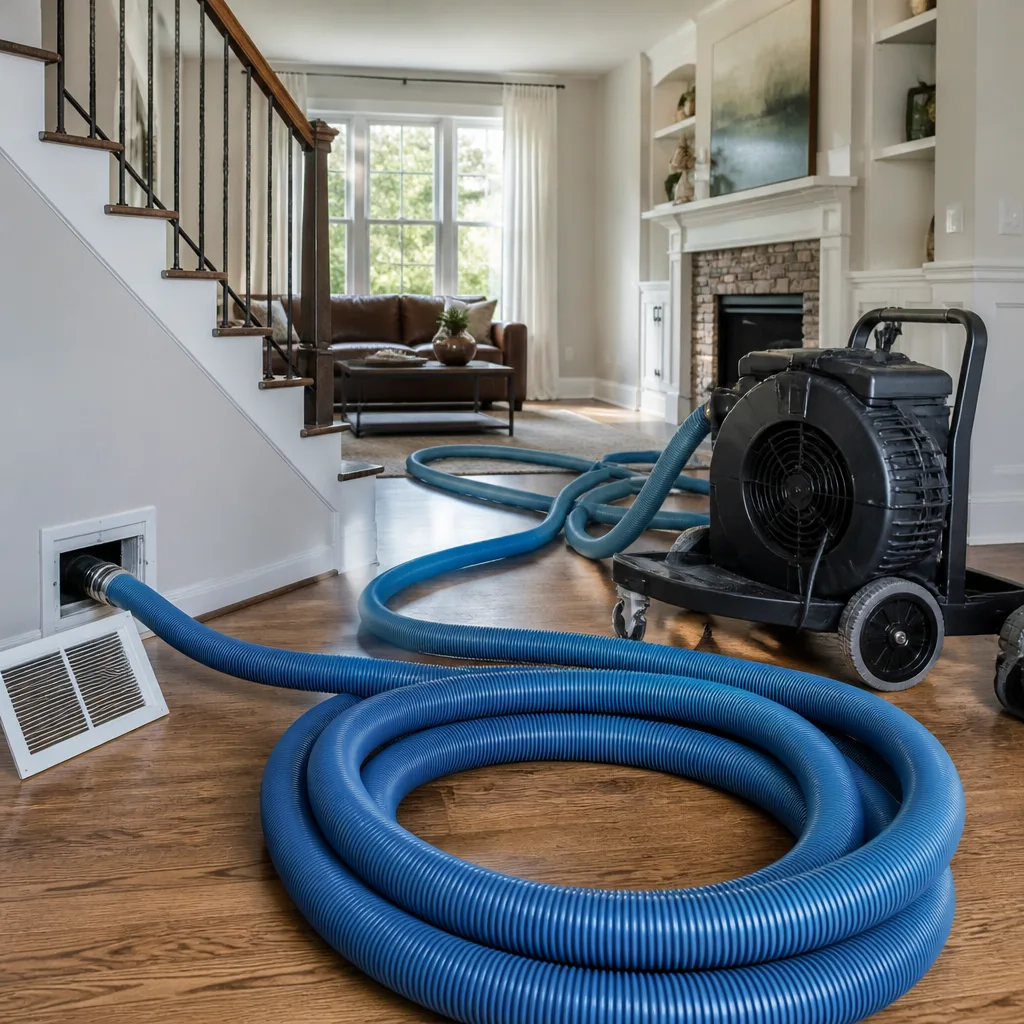 Whole-home duct cleaning
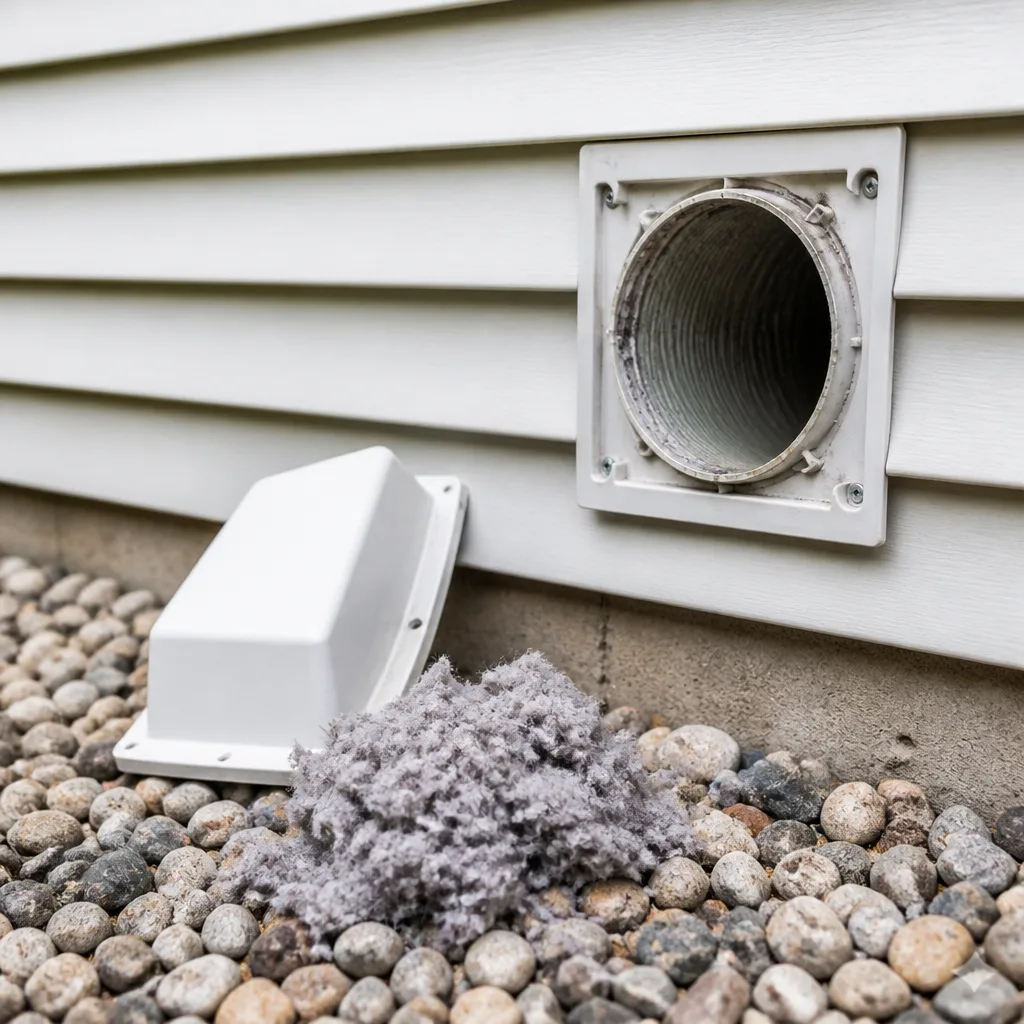 Dryer vent cleaning
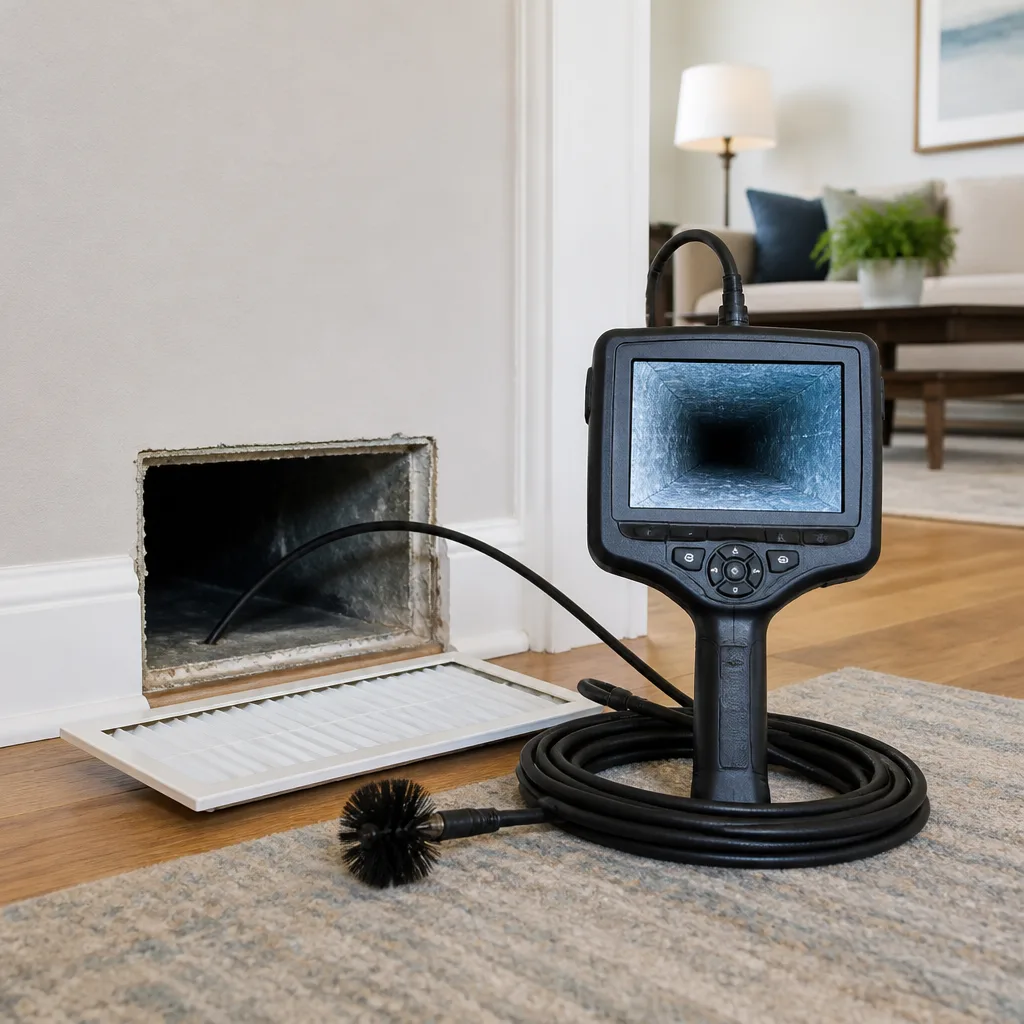 Camera inspection
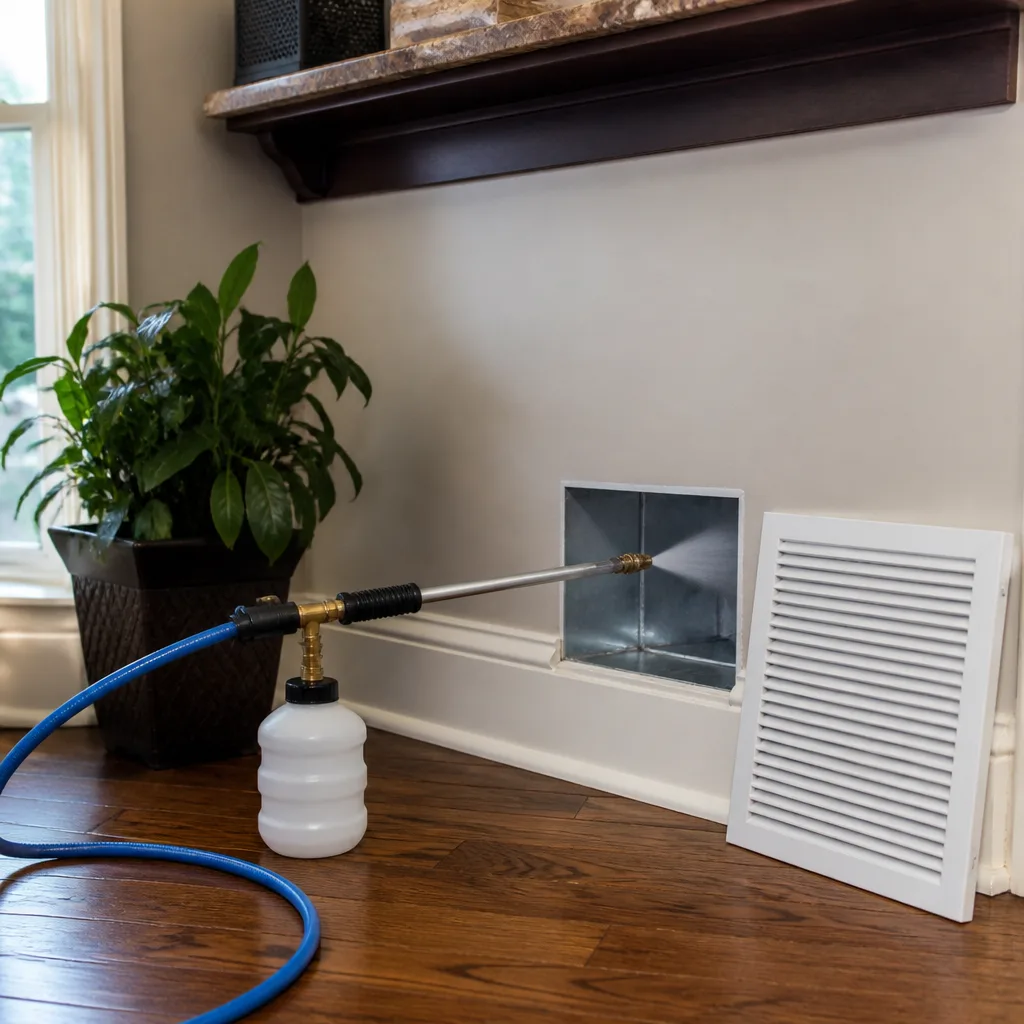 Sanitizing & deodorizing
Whole-system duct and dryer vent check with before-and-after photos - you see exactly what came out of your vents
That "$99 whole-house special" is a bait ad - the real number appears once they are in your hallway, or the "clean" is a shop-vac at the register. We photograph the inside of your ducts before and after instead.
The Complete Guide to Air Duct Cleaning in Kansas City
Ask most Kansas City homeowners what duct cleaning does and you’ll hear something like “it gets the dust out.” That’s true, but it undersells what a proper service actually reveals. Your duct system is a connected network that runs through the whole house, and what’s inside it tells you as much about your HVAC health as a blood test tells a doctor about yours. A 1,500-square-foot home can carry years of layered debris, pest activity, and micro-tears in flex duct that a shop-vac-and-blower crew will never surface or report to you. This guide walks through what professional cleaning in Kansas City should actually involve, from equipment to documentation to knowing when cleaning alone won’t solve the problem.
Quick Answer
Professional air duct cleaning in Kansas City uses negative-air containment and contact vacuuming to physically remove debris from the entire duct system, not just loosen it. A credible service includes a full inspection of duct board, flex duct, plenum, and register seals, and leaves you with before-and-after documentation. Cleaning is a whole-system assessment first and a debris-removal job second.
Styles & brands we work with
- Whole-home duct cleaning
- Dryer vent cleaning
- Camera inspection
- Sanitizing & deodorizing
Table of Contents
- Why Kansas City’s Climate Creates a Unique Duct Problem
- Source Removal vs. Blow-and-Go: What’s the Real Difference?
- What a Credible Duct Inspection Actually Includes
- How Professional Duct Cleaning Works, Step by Step
- How to Read a Pre- and Post-Cleaning Report
- When Cleaning Isn’t Enough: Repair and Replacement
- Whole-Home Air Quality Systems and Your Ducts
- How to Choose a Duct Cleaner in Kansas City
Why Kansas City’s Climate Creates a Unique Duct Problem
Kansas City sits in a transition zone where humid summer air collides with dry winter cold, and that swing does a number on duct systems. The clay-heavy soil common across the metro holds moisture after heavy rain and releases it slowly, which keeps relative humidity elevated in crawl spaces and basements long after the storms pass. Duct systems running through those spaces pick up that moisture. Metal duct sweats. Flex duct lining absorbs it. Insulated duct board can trap it against the inner surface.
What accumulates inside a Kansas City duct system over time is a specific mix: clay dust tracked in from yards and construction, pollen from the heavy tree canopy across the metro, mold spores that thrive in the humid shoulder seasons, and in older homes, debris from previous renovations. It’s a different profile than you’d find in Phoenix or Denver, where the air is dry and the debris is mostly mineral dust.
That seasonal humidity swing also affects how duct materials age. The freeze-thaw cycle and the spring-to-summer moisture gradient put stress on taped joints, mastic seals, and flex duct connections. Small failures open up, and those openings pull in air from unconditioned spaces – attic air in summer, crawl space air year-round. What starts as a debris problem becomes an air-quality problem and then an efficiency problem.
Understanding that local profile matters because it changes what a proper cleaning and inspection should look for. A crew that treats every house the same way misses the specific failure points this climate creates.
Source Removal vs. Blow-and-Go: What’s the Real Difference?
Source removal means physically extracting the debris from inside the ductwork and capturing it before it enters your living space. Blow-and-go means running a blower through the system to stir debris loose and hoping it exits through the returns or registers. The two approaches produce very different results, and the difference matters most in homes with heavy buildup.
Here’s the problem with blow-and-go. When you agitate debris inside a closed duct system without containment, it has to go somewhere. Some of it exits through supply registers into the rooms. Some resettles in sections the blower didn’t reach. Some ends up coating the inside of the air handler and evaporator coil. The homeowner sees dust settling on furniture for a few days and assumes the job worked. Weeks later, the system is roughly as dirty as it was before.
Source removal uses two things in combination:
- Negative air pressure – a high-volume vacuum unit connected to the duct system pulls air (and debris) toward a HEPA filtration unit rather than into the house. Abatement Technologies equipment is built for exactly this: it maintains negative pressure inside the ducts so dislodged contaminants are captured, not redistributed.
- Contact agitation – rotary brush and whip tools driven through the ducts physically scour the surfaces. Rotobrush and Nikro systems are purpose-built for this work, with the flexibility to reach different duct sizes and materials without damaging them.
The combination is what makes source removal work. Agitation without containment just moves dirt around. Containment without agitation leaves debris stuck to the walls. Both together remove it. When you’re comparing quotes from air duct cleaning providers, ask specifically which equipment they use and how they maintain negative pressure during the job. The answer tells you more about the service than the price does.
What a Credible Duct Inspection Actually Includes
Inspection is the part of the job most homeowners don’t know to ask for, and it’s where a lot of value sits. A thorough inspection happens before cleaning starts (to document conditions) and again after (to verify results and note anything the cleaning surfaced). Here’s what it should cover.
- Duct board integrity. Duct board is a rigid fiberglass product common in older Kansas City homes. It can delaminate, absorb moisture, or develop soft spots. A cleaning crew using the wrong tools on compromised duct board can make the problem worse, not better.
- Flex duct kinks and tears. Flex duct is supposed to run straight and fully extended. When it’s kinked behind a joist, crushed by storage, or torn at the collar, it restricts airflow and pulls in attic or crawl space air. Micro-tears are easy to miss without a direct look.
- Plenum condition. The plenum is the transition box between the air handler and the duct runs. It’s a common spot for leakage, debris accumulation, and pest intrusion.
- Register and boot seals. The connection between the duct boot and the register is a place where seals fail. Gaps here pull in whatever’s behind the wall – attic air, wall cavity air, sometimes crawl space air.
- Air handler and coil condition. The coil isn’t part of the duct system, but debris that reaches it affects the whole system. Knowing whether it’s dirty tells you whether the cleaning worked or whether the problem is downstream.
An inspection isn’t a sales pitch; it’s a diagnostic. If a technician walks through the house with a flashlight and a clipboard and produces nothing afterward, they didn’t inspect anything.
How Professional Duct Cleaning Works, Step by Step
Here’s what a source-removal cleaning looks like when done properly. Every step matters, and skipping any of them compromises the outcome.
- Walk-through and documentation. Before touching anything, the crew photographs the system’s accessible components and records register locations, duct materials, and air handler type. This is your baseline.
- Containment setup. Negative-air equipment connects to the duct system at a central point, usually at the plenum or a trunk connection. The HEPA exhaust runs outside or into a filtered area. From this point on, nothing goes back into the house.
- Register removal and cleaning. All registers and grilles come off. Each is cleaned separately. The boot behind each register is vacuumed and inspected.
- Duct agitation. Rotary brushes and air whips run through every accessible duct run. In Kansas City homes with mixed trunk-and-branch layouts, this means working systematically from the plenum outward.
- Air handler and plenum cleaning. The return plenum and the air handler cabinet get vacuumed. The blower wheel is checked – if it’s debris-coated, that gets noted in the report.
- Post-cleaning inspection. The same accessible points get re-photographed. Duct board condition, flex duct integrity, and register seals are re-evaluated now that the dirt is gone.
- Register reinstall and system check. Registers go back on. The system runs and airflow is verified at the registers.
- Report handoff. Before/after photos, notes on any damage found, and recommendations for repair or follow-up.
The whole process for a typical single-family Kansas City home usually takes a few hours, longer for larger homes or systems in poor condition. The duration is a function of square footage and duct layout, not a sign of thoroughness either way.
How to Read a Pre- and Post-Cleaning Report
A cleaning you can’t verify is a cleaning you have to take on faith. A professional service should leave you with documentation that lets you see what was found and what changed. Here’s what the report should contain and what each element means.
- Dated photos of each accessible point, before and after. Not stock images, not a company brochure – photos of your system. Compare them side by side. The change should be obvious.
- List of components cleaned. Registers, boots, trunk lines, branch lines, plenum, air handler. Any component not listed wasn’t cleaned.
- Condition notes for each component. “Duct board intact,” “flex duct kinked at joist 4,” “register boot seal failed at kitchen.” These notes tell you what needs repair and give you a basis for asking.
- Airflow readings if taken. Some crews measure airflow at registers before and after. If it’s not in the report, you can still verify by feel – a system that was whistling before and quiets down after was restricted.
- Recommendations for next steps. Repair items, follow-up timelines, and any concerns the crew couldn’t address in a cleaning visit.
If you don’t get a report, ask for one. If a company can’t produce before-and-after photos of your specific system, that’s a signal. Some operations clean parts of the system and photograph only what’s flattering. The full-system report protects you.
The Millbrook Air Duct Cleaning approach includes before-and-after photos as a standard part of the visit, not an add-on. We also offer Kansas City-area homeowners a flat price per system agreed before work starts, so the estimate and the invoice match.
When Cleaning Isn’t Enough: Repair and Replacement
Cleaning removes buildup. It doesn’t fix structural problems, and a lot of duct systems have them. Knowing when cleaning is the wrong answer saves money and, in some cases, prevents the cleaning from making an existing problem worse.
Air duct repair as a named service is a genuine differentiator. Most standalone duct cleaners clean and stop. If they find a torn flex duct or a failed register boot seal, they hand you a note and suggest you call an HVAC contractor. Our scope includes repair, so damage found during cleaning gets addressed by the same team rather than handed off.
Here’s a rough guide to which problems are which:
- Cleaning alone is usually sufficient for: debris accumulation, dust and pollen buildup, mild biological growth on accessible surfaces, and register grille dirt.
- Cleaning plus repair is the right answer for: torn or detached flex duct, failed register boot seals, separated trunk joints, small areas of compromised duct board, and kinked runs that restrict airflow.
- Replacement becomes the conversation when: duct board has failed across multiple runs, pest damage is extensive, flex duct has been crushed along significant lengths, or the system has never been designed for the home and restricts airflow regardless of cleaning.
A cleaning visit surfaces these conditions because the crew is inside the system. The question is whether the company you hired can act on what they find or whether you’re back to searching for a second contractor. That single-vendor relationship is worth a lot in practical terms.
We use Guardsman products in repair work where appropriate – another trade-grade brand, not a consumer substitute.
Whole-Home Air Quality Systems and Your Ducts
Kansas City homes increasingly run whole-home air quality equipment: media filters, humidifiers, and ventilators from manufacturers like Honeywell and Aprilaire. If you have one of these systems, duct cleaning needs to account for it or the cleaning can undo what the equipment is trying to do.
A media filter cabinet, for example, sits inline with the return duct. The cabinet and filter housing need to be cleaned properly and the filter needs to be in good condition when the crew leaves. A humidifier installed on the supply plenum has a bypass duct, a water panel, and a drain line that all need to stay intact. If a cleaning crew doesn’t know how these systems work, they can miss the filter cabinet entirely or disturb the humidifier install.
Familiarity with Honeywell and Aprilaire equipment is not a marketing point – it’s a working requirement for houses that have those systems. Ask specifically during the estimate whether the company has experience cleaning around your air quality equipment. If they hesitate, that’s your answer.
The pattern is consistent across the trade: the more a homeowner invests in air quality, the more important it is that the duct system be clean and airtight. A perfectly good media filter can’t compensate for a duct system pulling contaminated air from the attic or crawl space.
How to Choose a Duct Cleaner in Kansas City
The market ranges widely, from professional source-removal firms to crews running shop vacuums with a magnetic sign on the truck. The difference shows up in what you get, not just what you pay up front. Here’s what separates them, in the order most homeowners find useful.
- Ask about equipment by name. A company using Rotobrush or Nikro equipment will tell you. A company using a shop vacuum won’t. Ask directly.
- Ask about containment. Negative air pressure from proper equipment (Abatement Technologies is one standard) is what keeps the debris from ending up on your furniture. If a quote doesn’t mention containment, it’s likely blow-and-go.
- Ask for before-and-after photos in writing. It should be in the estimate, not something you negotiate.
- Ask whether they repair damage found. If they don’t, you’ll need a second contractor when the inspection finds a problem.
- Ask whether pricing is per-system or per-vent. Per-vent pricing is designed to grow the invoice as the job goes on. A flat price per system agreed before work starts, with the price set in writing, is what a professional job looks like.
- Ask about the report. A written report with component-by-component notes is what separates a professional visit from an unverifiable one.
If you’re also scheduling a related service, dryer vent cleaning pairs naturally with duct work. Dryer vents carry the same lint-and-moisture profile that makes duct systems dirty, and they’re a fire-risk reduction step worth handling at the same time.
Common Mistakes to Avoid
- Choosing the lowest quote without asking what it covers. A quote that doesn’t specify containment, equipment, or reporting is a quote for an unknown job. The lowest price often reflects the smallest scope, not the best deal.
- Accepting per-vent pricing. Per-vent pricing starts low and climbs as components are added. A per-system price, agreed before work starts, prevents the surprise at the end.
- Skipping the inspection report. If you don’t get before-and-after photos and a component-by-component condition report, you have no way to know what happened inside your ducts. Ask for the report before the visit, not after.
- Believing cleaning alone fixes airflow problems. Kansas City flex duct systems develop kinks, tears, and crushed sections that restrict the whole house. Cleaning the ducts doesn’t fix a crushed run; repair or replacement does.
- Forgetting the air handler. A clean duct system feeding a dirty blower wheel or evaporator coil doesn’t deliver clean air. Ask specifically whether the air handler gets cleaned.
- Ignoring air quality equipment. Homes with Honeywell or Aprilaire systems need a crew that knows the equipment. Cleaning that disturbs the filter cabinet or humidifier install costs more to fix than to do right the first time.
- Treating duct cleaning as a one-time event. Duct systems age, humidity swings take a toll, and repairs surface over time. A cleaning plus repair visit every few years, with a filter change plan in between, keeps the system in good shape.
See the difference
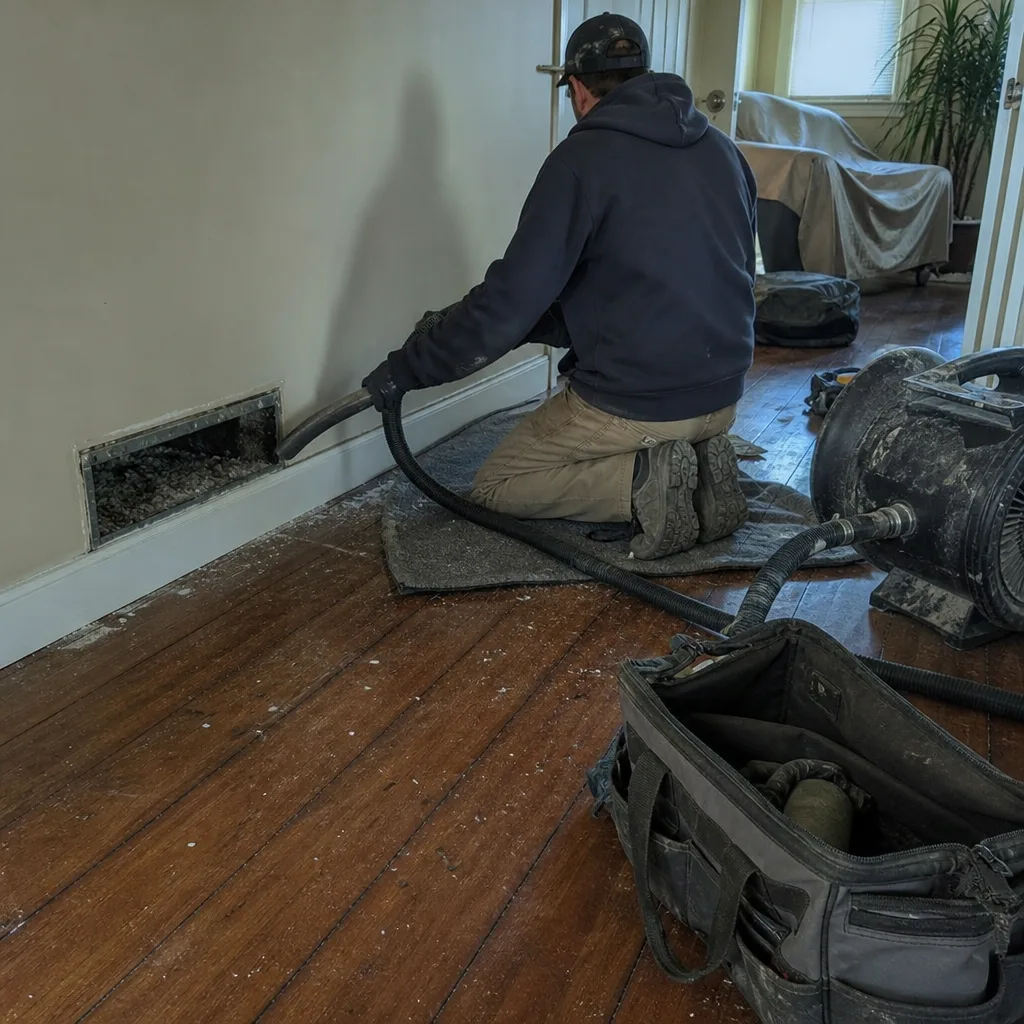 Before
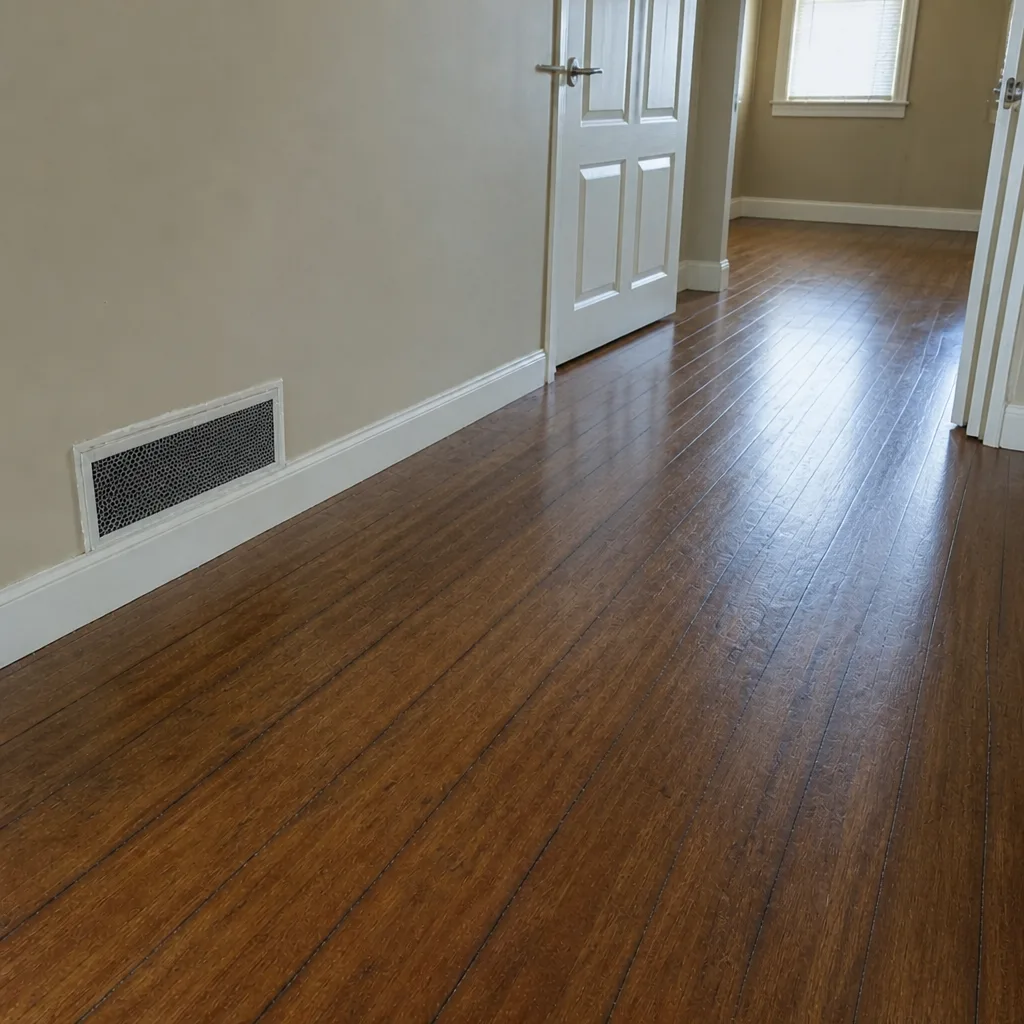 After
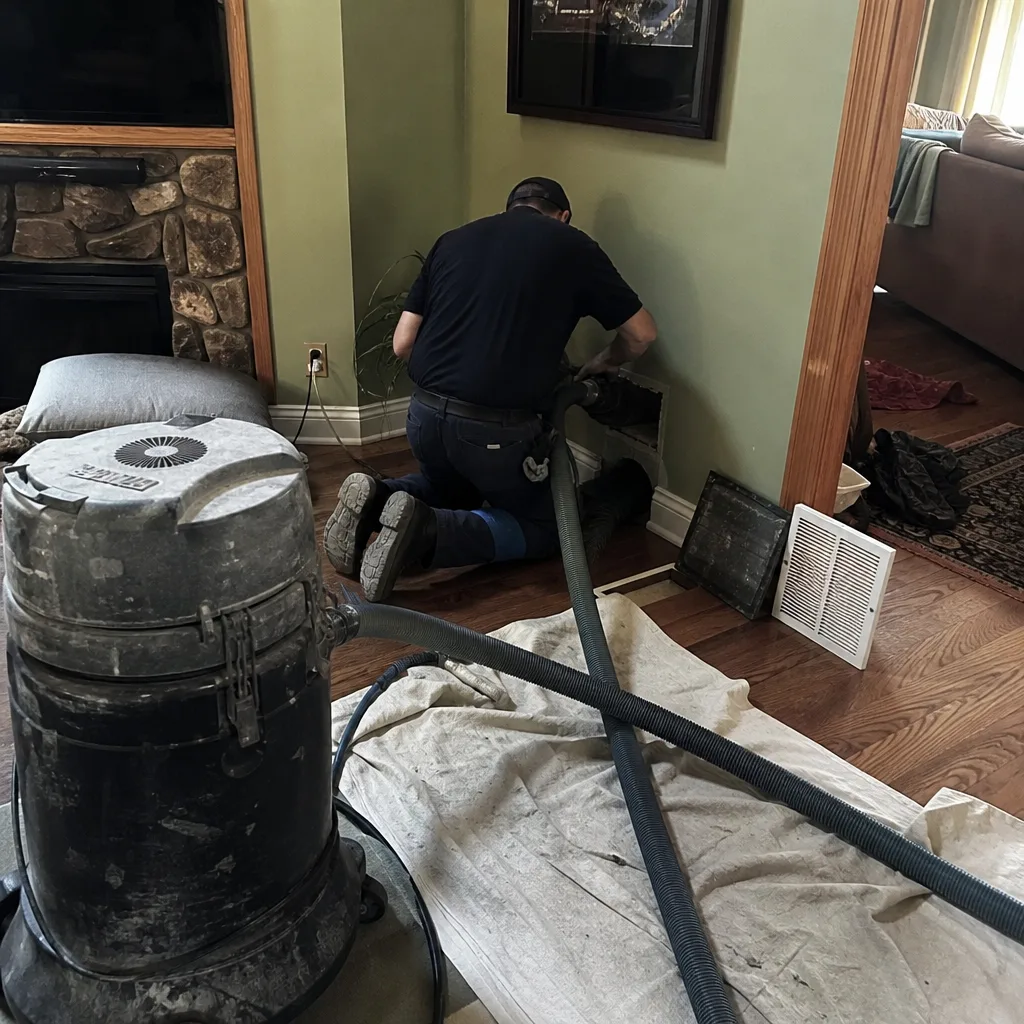 Before
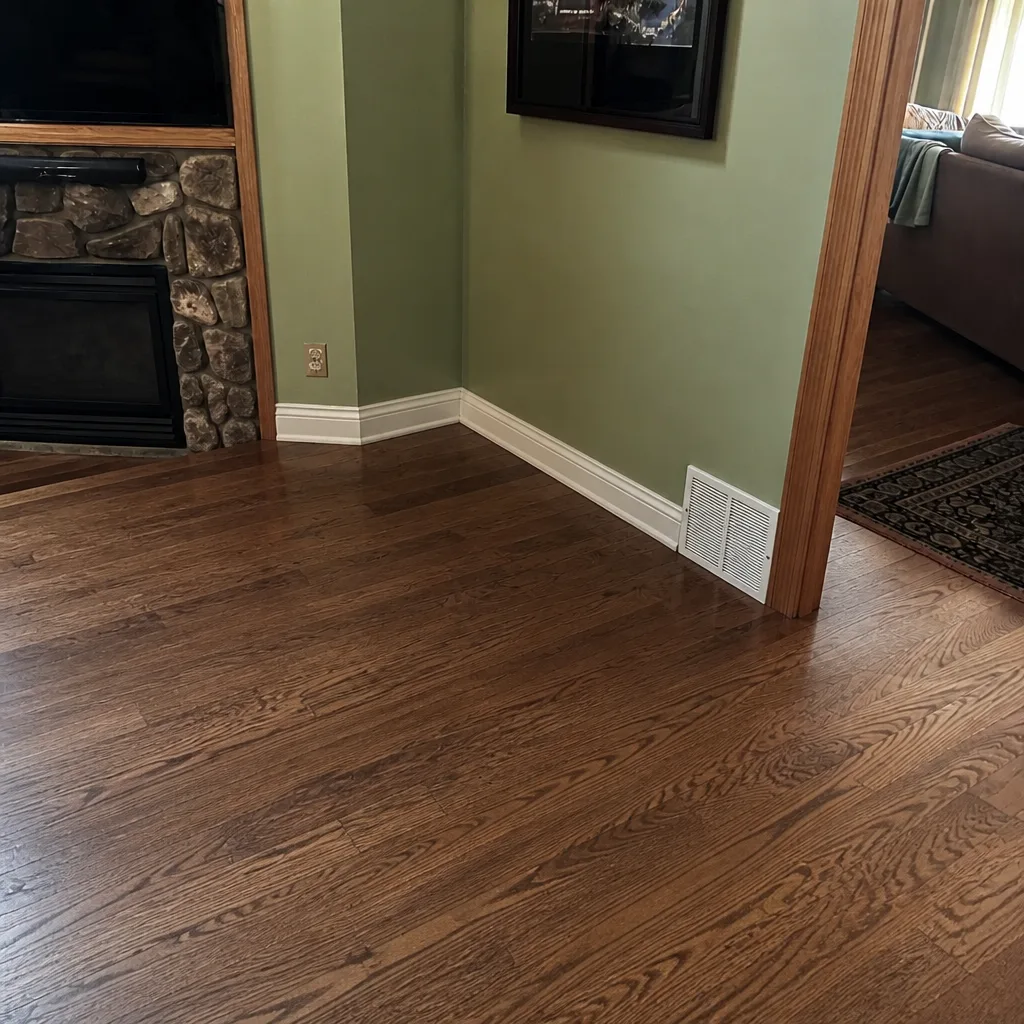 After
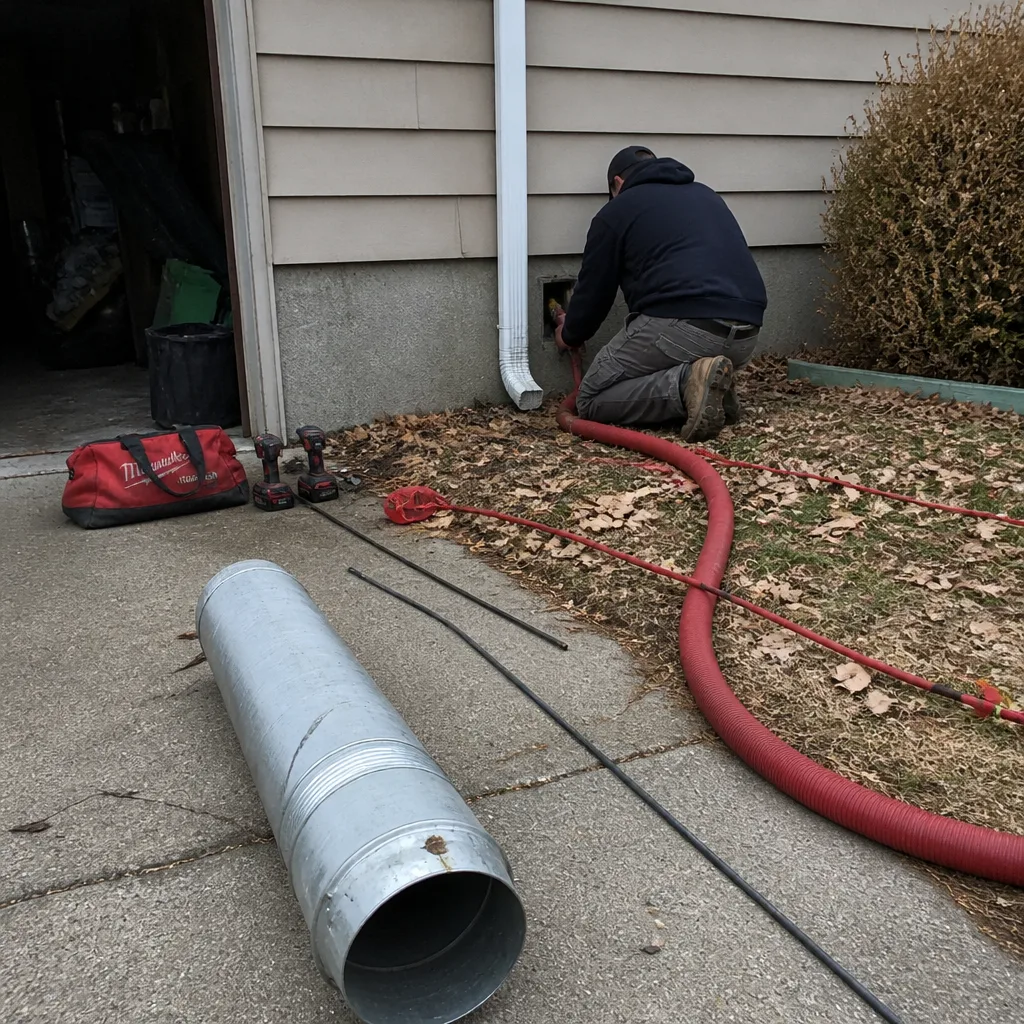 Before
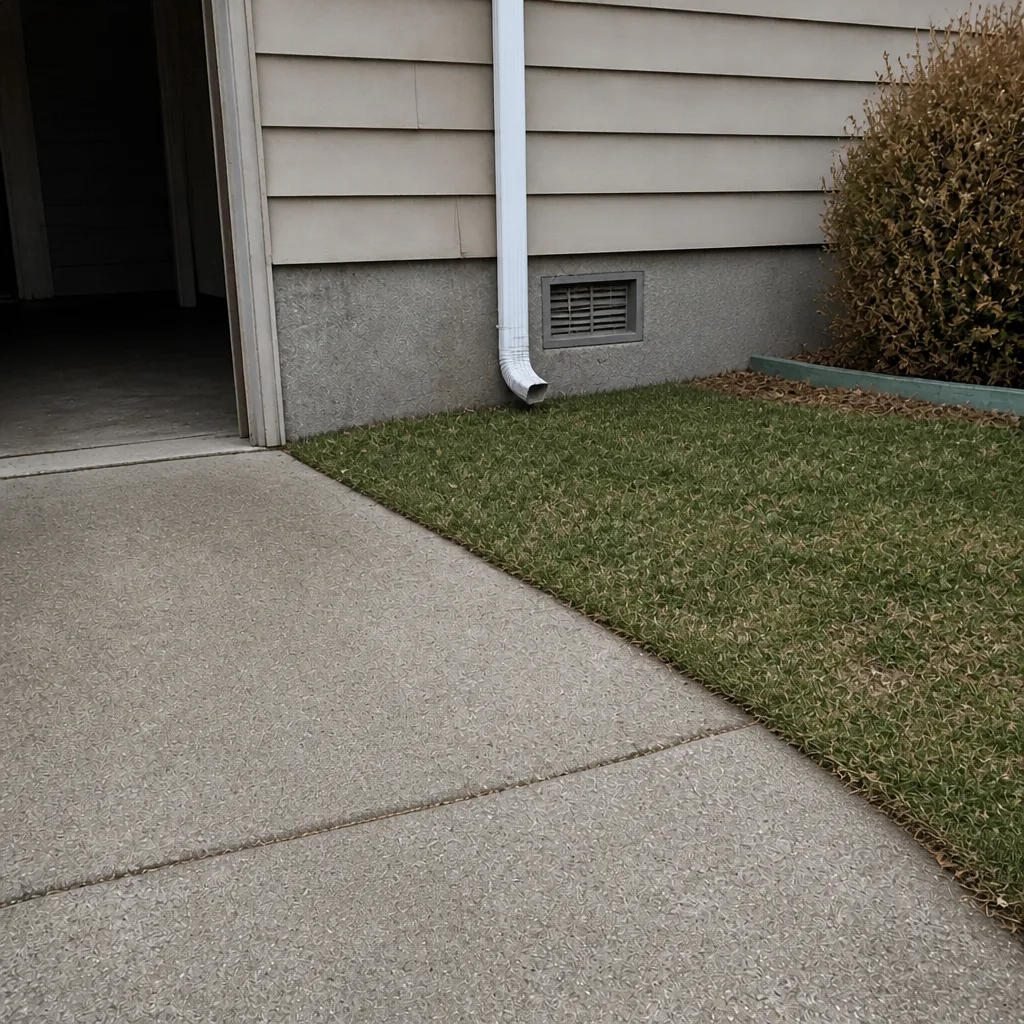 After
When to Call a Professional
Some signs a duct system needs professional attention are obvious; others are subtle. Visible dust blowing from registers when the system runs, musty odor when the HVAC kicks on, and condensation on duct exteriors are all indicators worth investigating. Allergy symptoms that worsen at home, unexplained airflow differences room to room, or a system that runs longer than it used to can also point to duct problems. Recent homebuyers in Kansas City, especially in older neighborhoods where tape and mastic have aged for decades, should plan for a full inspection and cleaning as a starting point.
Our technicians have up to 10 years of experience and work with professional-grade equipment, and Millbrook Air Duct Cleaning offers free estimates in Kansas City. Call (855) 473-1004 to book a visit. We answer 24/7. Fast dispatch from 7am to 7pm, Sunday through Friday, closed Saturday.
Frequently Asked Questions
Air duct cleaning in Kansas City is typically priced per system, not per vent, with a written estimate agreed before work starts. The final price depends on the number of systems, duct layout, accessibility, and whether repair is needed. Get an estimate in writing that states the full-scope price, and treat any quote that starts low and grows as a red flag. Call (855) 473-1004 for a free estimate – we’ll quote per system, not per vent.
Cheap quotes usually reflect a smaller scope: no containment, no contact agitation, no report. A blow-and-go visit costs less because it does less – it agitates debris without capturing it, and it leaves no documentation. The savings shrink fast when the system is just as dirty weeks later or when the damage the cheaper crew missed becomes the next repair bill. Call (855) 473-1004 to see a full-scope quote with the price set in writing.
Before-and-after photos of your own duct system, a component-by-component report, and a walkthrough at the end of the visit are how you know. Ask for those in writing during the estimate, not after the cleaning. If a company can’t show you what they did inside the system, assume nothing was verified. Call (855) 473-1004 for a visit that includes photos and a written report.
Most homes benefit from a full cleaning every few years, more often if there are pets, recent renovations, or allergy concerns. Kansas City’s humidity swings and heavy pollen load make buildup faster here than in drier climates, so homes in the metro tend to need it on the shorter end of that range. The inspection during a cleaning visit tells you how yours is aging. Call (855) 473-1004 for an estimate on a real inspection.
Yes. Homes running Honeywell or Aprilaire air quality equipment need a crew that recognizes the filter cabinet, humidifier install, and ventilation components and cleans around them without disturbing them. Our technicians are familiar with both brand systems and work around them during cleaning. Call (855) 473-1004 to discuss your specific setup.
With Millbrook, yes – air duct repair is a named service alongside cleaning, so damage found during a cleaning visit can be addressed in the same relationship rather than handed to a second contractor. That matters most in older Kansas City homes where inspection commonly finds failed seals, torn flex, and compromised duct board. Call (855) 473-1004 to book a cleaning and inspection.
The Bottom Line
Air duct cleaning in Kansas City is a whole-system assessment, not a one-time debris removal task. The right service combines negative-air containment with contact agitation using professional equipment, includes a full inspection of duct board, flex duct, plenum, and register seals, leaves you with before-and-after documentation, and can act on the repair issues the inspection surfaces. Price should be per system, agreed in writing before work begins. When a company quotes per vent or leads with a coupon, the scope is usually smaller than the promise. When a company quotes per system and shows you what they found, you’re getting what you paid for.
If you’re ready for a real inspection or a full-scope cleaning, Millbrook Air Duct Cleaning offers free estimates in Kansas City and can work with your system regardless of what type of air quality equipment you’re running. Call (855) 473-1004 for a free estimate. We answer 24/7. Fast dispatch from 7am to 7pm, Sunday through Friday, closed Saturday.
Written by the team at Millbrook Air Duct Cleaning.