
Last updated November 14, 2026
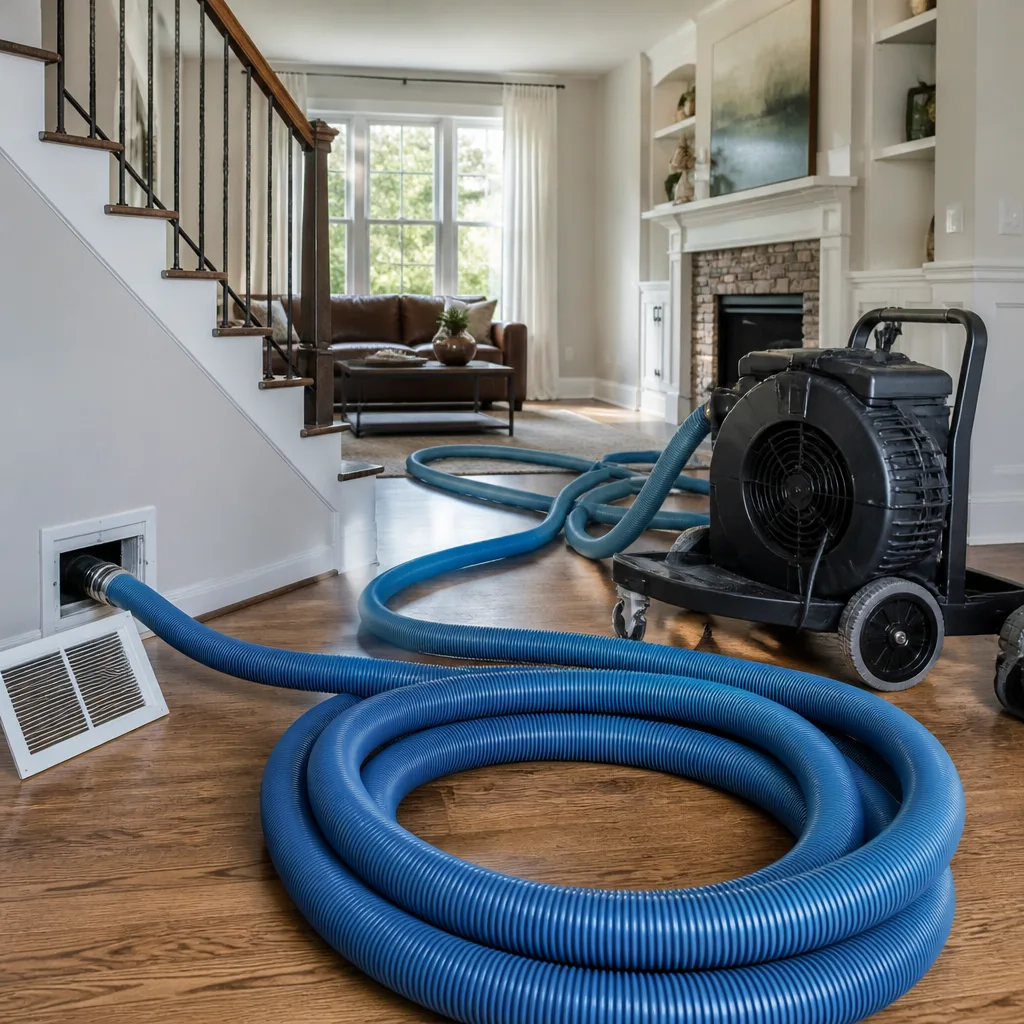 Whole-home duct cleaning
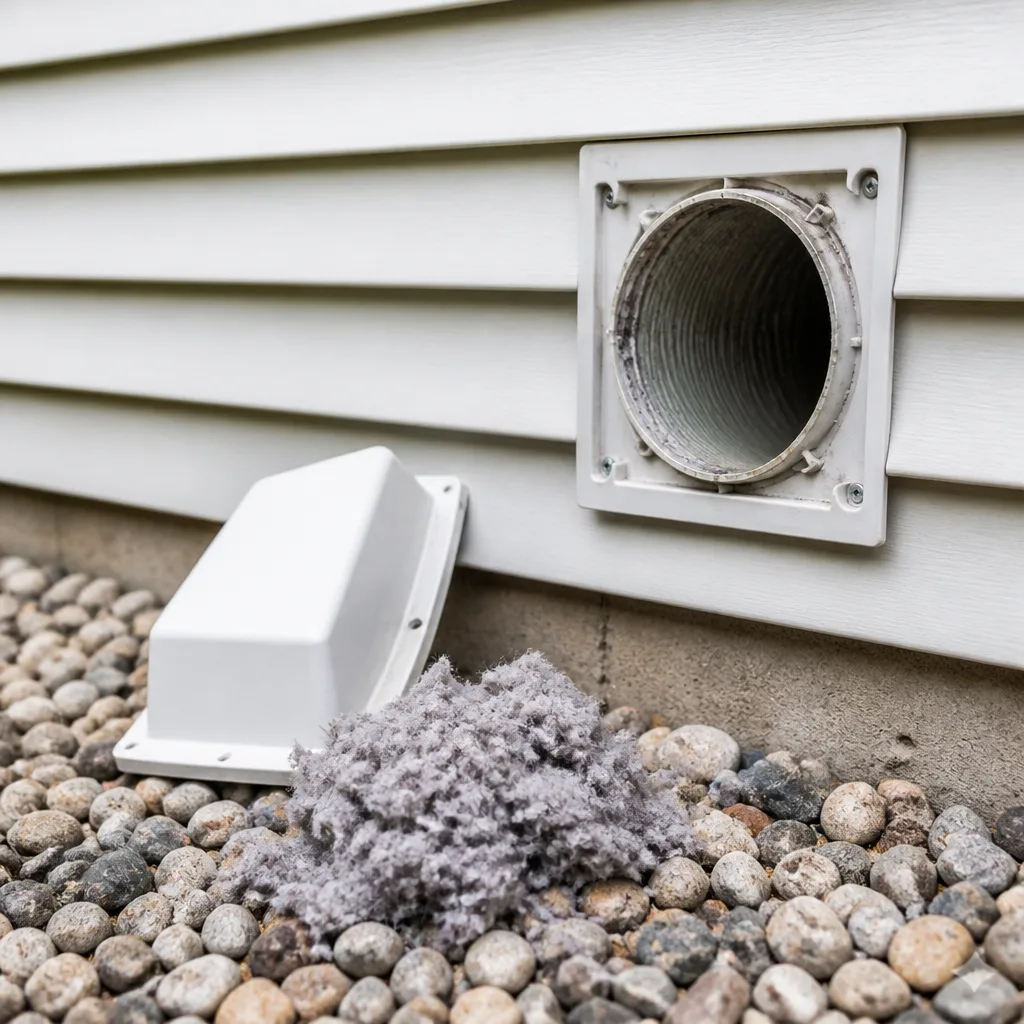 Dryer vent cleaning
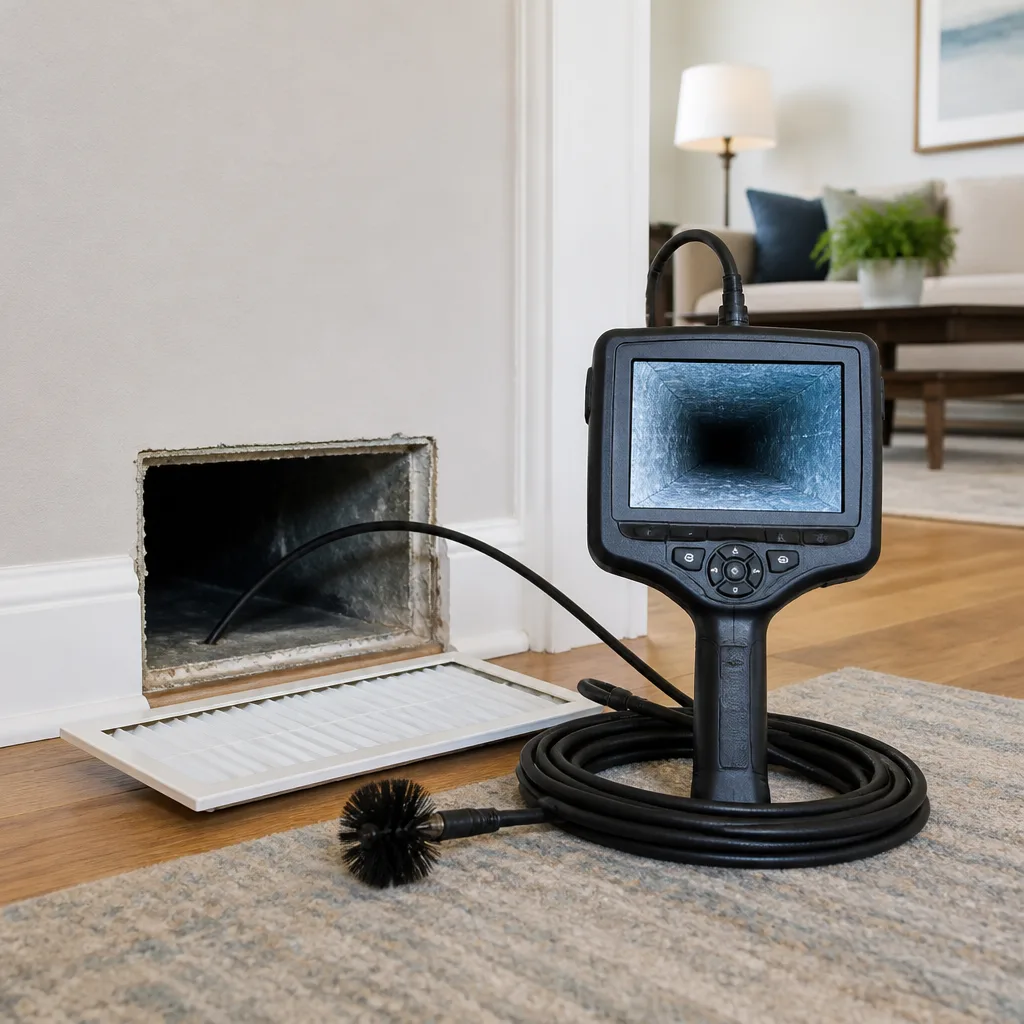 Camera inspection
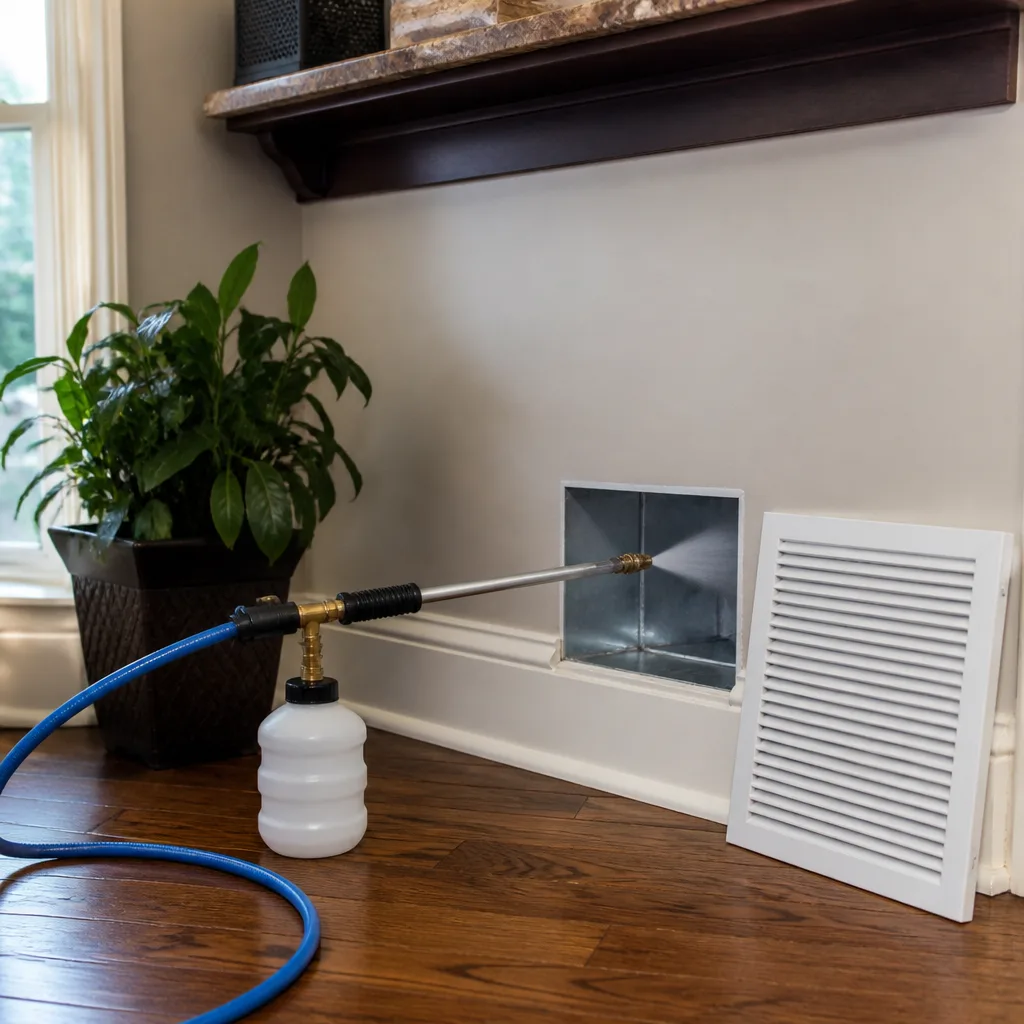 Sanitizing & deodorizing
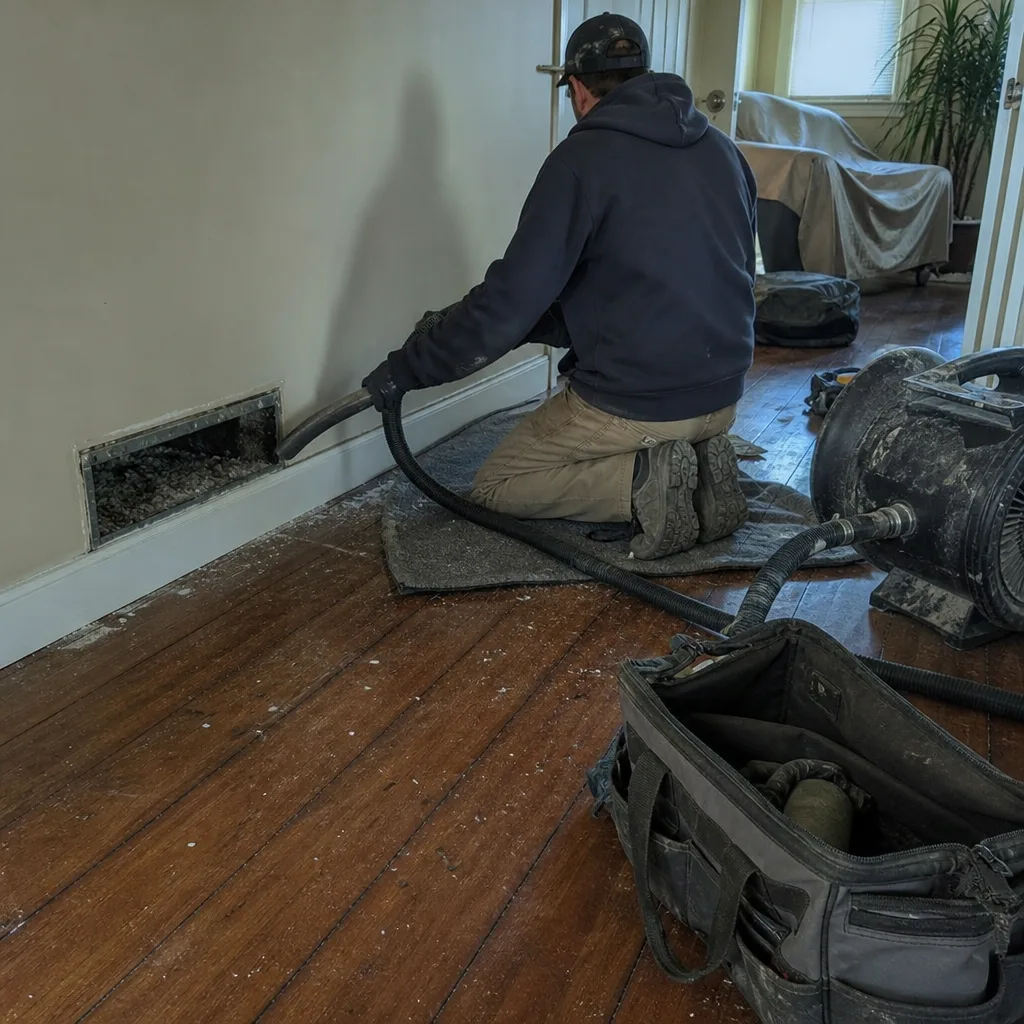
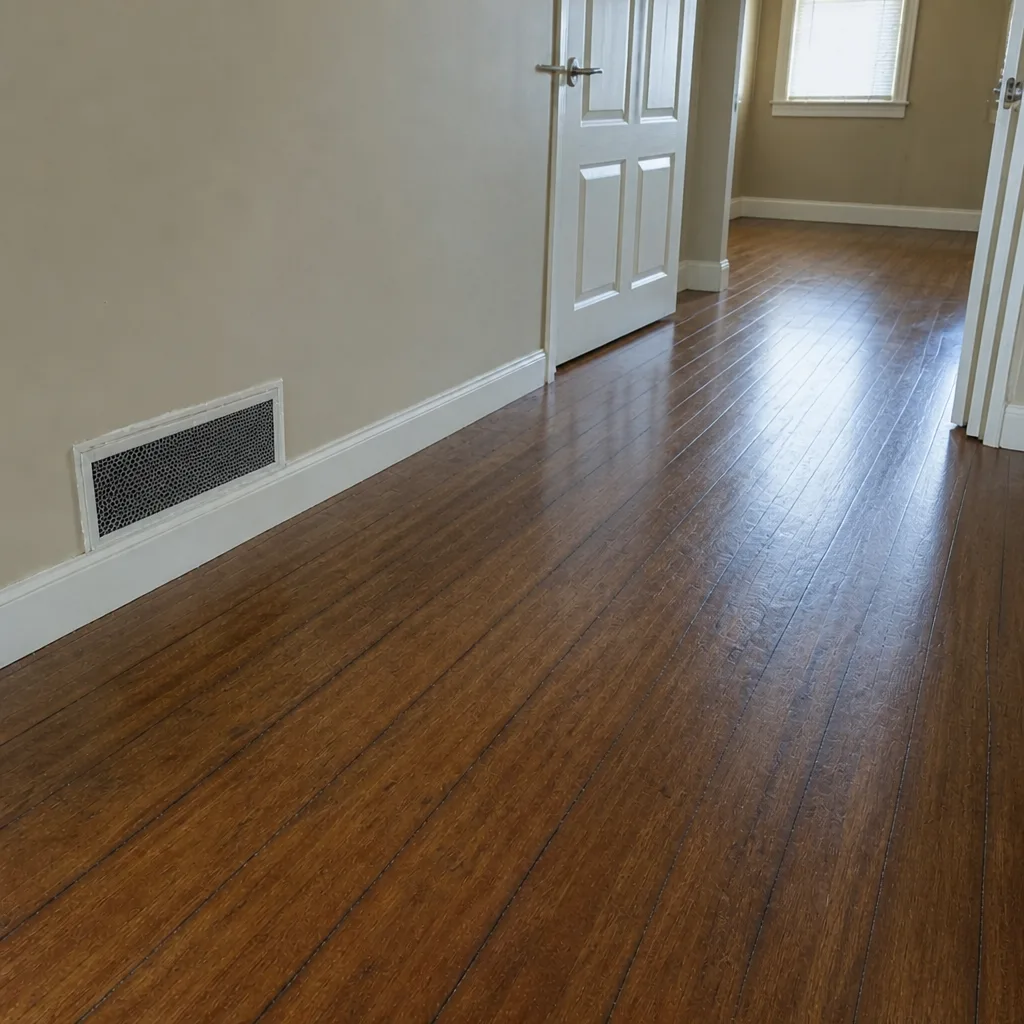
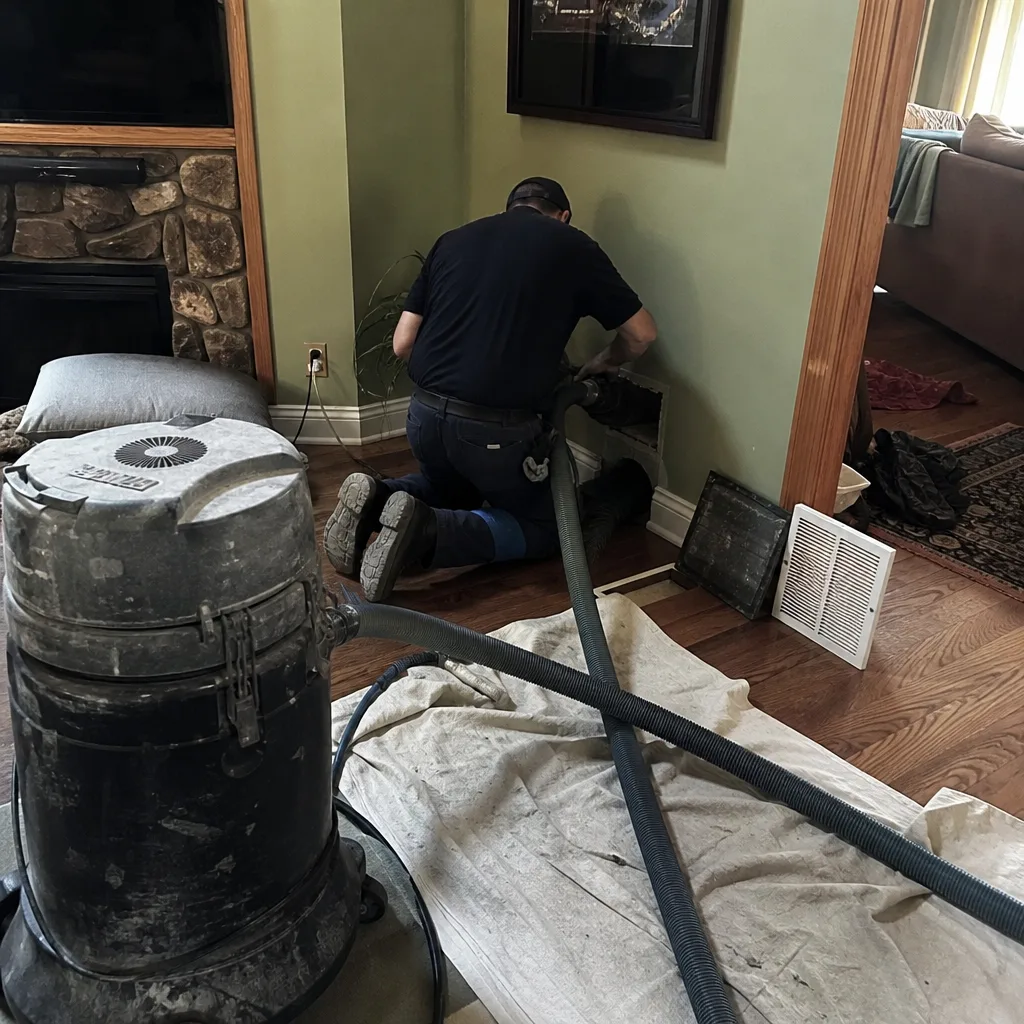
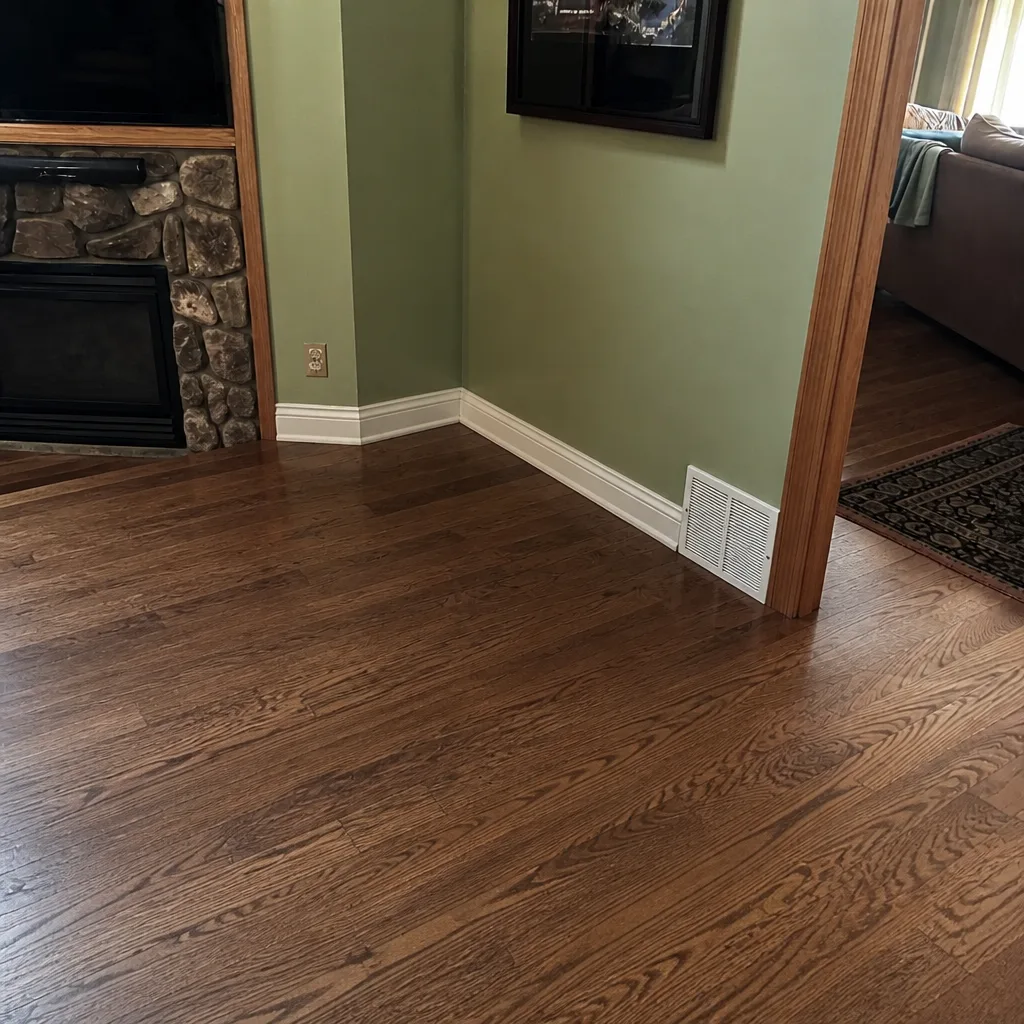
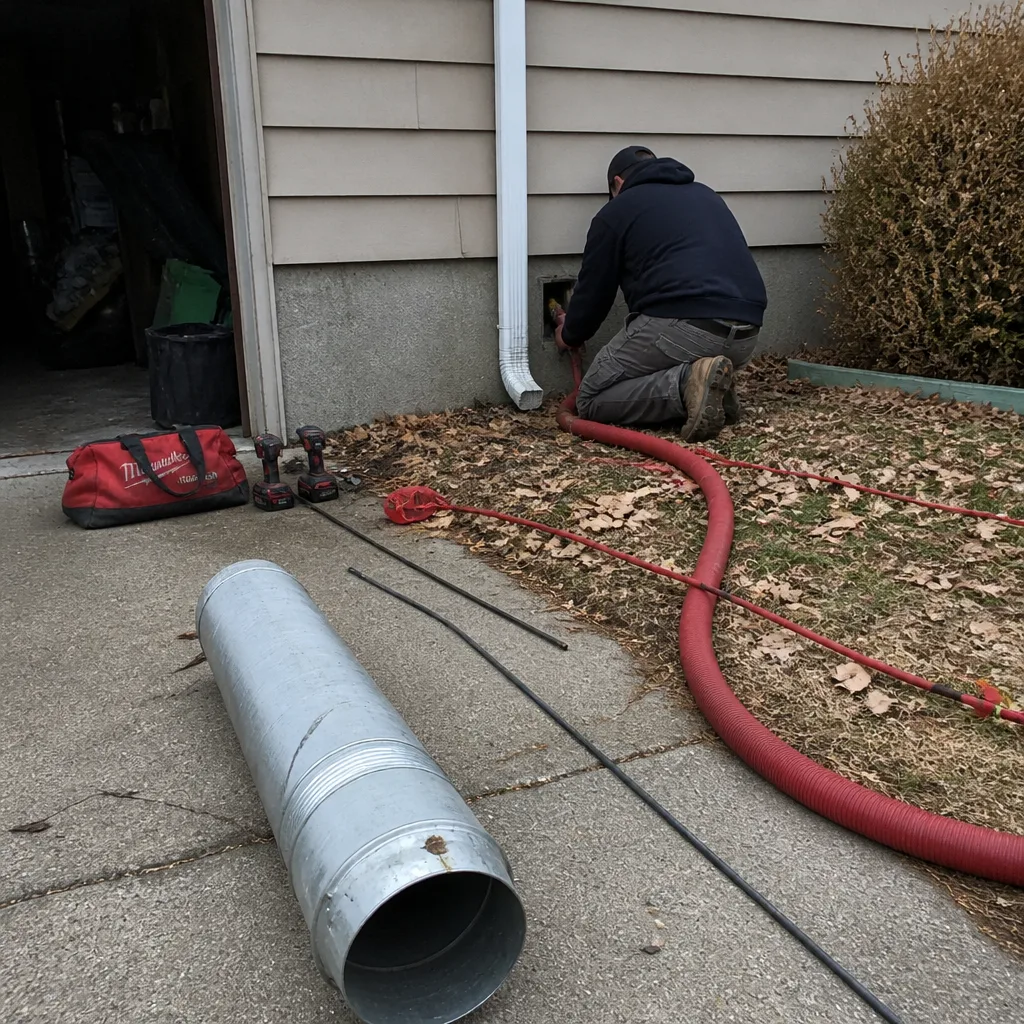
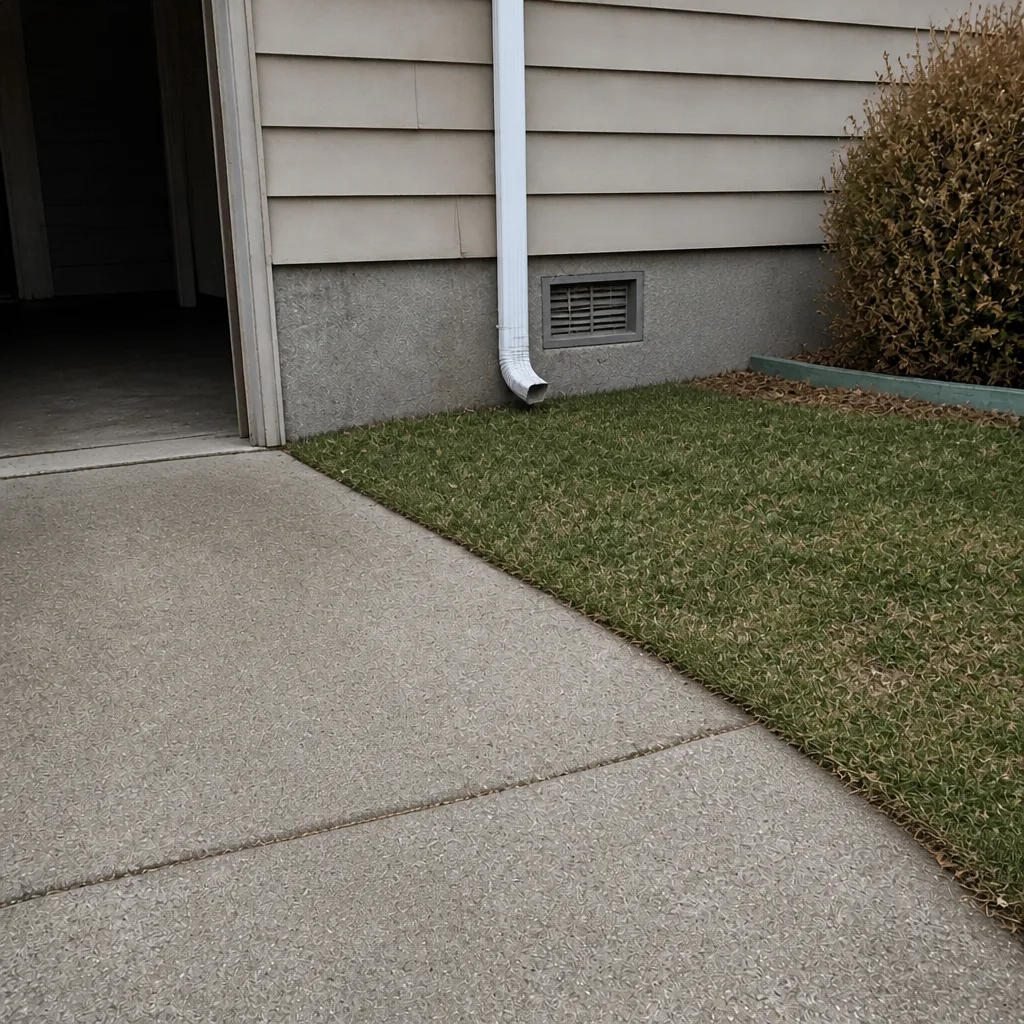
Whole-system duct and dryer vent check with before-and-after photos - you see exactly what came out of your vents
That "$99 whole-house special" is a bait ad - the real number appears once they are in your hallway, or the "clean" is a shop-vac at the register. We photograph the inside of your ducts before and after instead.
Air Duct Cleaning Troubleshooting in Kansas City: Common Problems and How to Fix Them
Plenty of Kansas City homeowners pay for a full duct cleaning to solve uneven room temperatures, and the upstairs bedrooms are still too warm the next day. That’s not because the cleaning was done badly. It’s because uneven temperatures usually come from duct geometry, a stuck damper or a leaking joint, not from debris. The debris was never the cause. Before you spend a dollar on any duct service, it helps to know which symptom you actually have, because weak airflow, musty smells and hot-and-cold rooms each trace back to different mechanical sources. This guide walks you through that mapping: what cleaning fixes, what repair fixes, and when a diagnostic visit should come first.
Quick Answer
Most duct problems in Kansas City fall into three buckets: debris buildup (cleaning solves it), leaks and damage (duct repair solves it), and airflow design or equipment issues (an HVAC diagnosis solves it). Cleaning alone won’t fix uneven temperatures or persistent odors if the real cause is a leaking joint, deteriorated liner or a coil problem. A short diagnostic inspection with a camera, before any cleaning decision, is the fastest way to avoid paying for the wrong service.
Styles & brands we work with
- Whole-home duct cleaning
- Dryer vent cleaning
- Camera inspection
- Sanitizing & deodorizing
Table of Contents
- Symptom-to-Cause Map: What Cleaning Fixes and What It Doesn’t
- How to Tell a Dirty Duct System from a Leaking One
- Why Musty Odors Often Persist After Cleaning
- Kansas City Humidity Swings and Duct Liner Deterioration
- When a Troubleshooting Visit Should Come Before Cleaning
- What Professional Equipment Changes About the Outcome
- Duct Health and Existing Filtration Systems
- When to Call a Professional
Symptom-to-Cause Map: What Cleaning Fixes and What It Doesn’t
Here’s the single most useful thing to understand about duct troubleshooting in Kansas City: a symptom is not a cause. Weak airflow, dust settling on furniture and a bedroom that never cools can all look like “dirty ducts,” and only some of them are. Matching the symptom to the mechanical source before you book anything is what separates a useful service visit from an expensive guessing game.
Use this map as your starting point:
- Dust that settles again within days of cleaning. Usually a leak after the air handler, or a filtration issue at the return. Cleaning helps temporarily; repair and better filtration make it hold.
- Weak airflow at one vent, strong at others. Almost always a geometry problem: a crushed flex run, a closed damper or a long run off the trunk. Cleaning won’t fix it.
- Weak airflow everywhere. Often a blower, coil or filter restriction, not duct debris. This is an HVAC diagnosis, not a cleaning job.
- Musty smell that returns after cleaning. Points to moisture on the coil, drain pan or duct liner. Cleaning removes debris; it doesn’t fix the moisture source.
- Visible debris blowing out of a supply vent. Genuine debris accumulation, and a real cleaning case.
- Uneven heating and cooling between floors. Damper balance, duct sizing or an undersized return. A duct and airflow problem, not a dirt problem.
What cleaning genuinely solves is accumulated debris on duct interiors, register faces and the components around the air handler. What it doesn’t solve is anything mechanical: leaks, crushed runs, dampers, coil condition or equipment performance. If you’re weighing whether you need a full air duct cleaning or a repair visit, the honest answer is that the symptom decides. Cleaning is the right call when the system is genuinely fouled; repair is the right call when the system leaks or is damaged. A house in Kansas City that’s had a recent renovation or a long stretch without service usually lands in the first category. A house with a persistent room-temperature complaint usually lands in the second.
How to Tell a Dirty Duct System from a Leaking One
There are two tests any homeowner can run with nothing more than a flashlight, a tissue and a little patience. Neither one is a substitute for a camera inspection, but both tell you which way to lean before you call anyone. The smell test and the airflow test separate the two most common causes: debris and leakage.
The smell test. Duct debris smells like settled dust, sometimes a dry, papery odor. It gets stronger when the system first starts moving air after a long off cycle. A leaking duct system often smells different: musty, damp or faintly sour, because unconditioned air is being pulled in from a crawlspace, garage or attic. If the smell is dust, leaning toward cleaning makes sense. If the smell is damp, the leak is the more likely story.
The airflow test. Hold a tissue up to a supply register while the fan runs. Then run it along the seam where the register boot meets the wall or floor. Strong, steady airflow at the register with a soft draft at the seam means air is escaping before it reaches the room, which points to a leaking joint. Repeat this on the returns, too. A return that pulls weakly or feels like it’s whistling is a sign of a restriction or a badly sealed connection.
A third check helps at the air handler itself. If the filter door or blower compartment panel doesn’t seat tightly, unfiltered air is being drawn in downstream of the filter, and the ducts collect dust that cleaning alone can’t keep ahead of. A duct repair first, or a repair alongside the cleaning, makes far more sense than a second cleaning a few months later. That’s the logic behind tackling both in one visit: clean ducts, repaired ducts, in that order, when the tests point to leakage.
Why Musty Odors Often Persist After Cleaning
It happens more often than most people expect: a duct system gets a thorough cleaning, and the musty smell comes back within weeks. When a homeowner asks us about this, the answer nearly always comes down to moisture. Cleaning removes the surface material that microbes are feeding on, but if the moisture source is still there, new material accrues and the smell returns.
The usual culprits in a Kansas City home:
- Wet evaporator coil or drain pan. A sloped drain that doesn’t quite drain, or a pan with standing water, keeps the coil and the surrounding duct interior damp.
- Interior duct liner that has gotten wet. Some older duct systems are lined with fibrous acoustic material. Once that liner gets wet and dries out repeatedly, it can hold a smell even after cleaning.
- Condensation on cold supply ducts in humid months. If supply ducts run through unconditioned space, humid air contacting cold metal produces condensation. That moisture then collects dust and supports growth.
- A return duct pulling air from a damp crawlspace. Common in older neighborhoods, and it delivers a permanent supply of humid, musty air into the system.
The practical next step when a smell persists is a camera inspection to find the moisture source. In our experience, the fix is often a small duct repair, an improved drain, or re-sealing a return. If the moisture is coming from a coil or drainage problem that isn’t a duct issue, that’s a job for an HVAC technician, and the honest advice is to get it looked at by that trade. A cleaning crew that ignores the source, or one that simply re-cleans, is treating the symptom twice.
Kansas City Humidity Swings and Duct Liner Deterioration
Kansas City sits in a climate of real seasonal swing. Summers run humid, and the shoulder seasons can move from cool and dry to warm and damp within a week. That wet-dry cycling is hard on duct systems, and it produces a specific kind of failure that gets misread as ordinary dirt: interior duct liner that has deteriorated into a crumbling, fibrous coating.
Here’s how it plays out. Fibrous liner absorbs a bit of moisture during humid stretches. When the cooling system runs, the liner surface gets cold, and humid air condensing on it keeps it damp for long stretches. Over time, the liner can loosen at the seams, peel slightly, and shed fibrous material into the airstream. That shed material doesn’t look that different from ordinary dust accumulation to a homeowner looking at a register. The difference matters, because cleaning a liner that’s shedding may dislodge more of it, and the fix is repair or resurfacing, not a second cleaning pass.
Two related Kansas City factors are worth knowing. First, older housing stock in many parts of the metro has duct systems that have been through dozens of expansion and contraction cycles, and sealing at the joints and boots has often loosened. Second, homes that sit unoccupied through the humid months, or have a cooling system that mostly runs in the afternoons, end up with interior duct surfaces that get damp and stay damp. When our technicians inspect a system, they treat crumbling or peeling liner as a repair flag, not a cleaning challenge, because blowing air through it harder isn’t a real solution.
If you’re in a Kansas City home built more than a couple of decades ago, it’s honest to say that interior liner condition is one of the first things worth checking before committing to a cleaning plan. A camera makes this quick and non-invasive.
When a Troubleshooting Visit Should Come Before Cleaning
Not every call should start with cleaning. When the symptom is unclear or the stakes are high, a diagnostic visit first saves money and prevents the wrong fix being applied. The pattern is straightforward: if you can’t tell which of the possible causes you’re looking at, find out before you book. A short camera inspection of the duct interiors and a quick look at the air handler and coil usually settles it.
Book a diagnostic visit first when:
- The symptom is uneven temperatures. Cleaning rarely fixes this; duct balance or sizing does. You want to know that before you spend on a cleaning.
- The smell is musty, damp or sour. That’s a moisture-finding job, and the moisture source needs to be identified.
- You’ve had a cleaning recently and the problem returned. Something is being missed, and re-cleaning without a diagnosis usually repeats the same result.
- You’ve had water intrusion, a flood or a long-term roof leak at any point. Duct interiors may have been affected, and that needs to be seen before a cleaning is framed.
- The home was recently purchased and the duct history is unknown. A first inspection establishes a baseline and flags repair needs before a cleaning plan is set.
On that last point, a diagnostic visit is often the highest-value first call a new homeowner can make after a move. It answers the questions “what is actually inside these ducts, and what condition are they in?” from a baseline rather than a guess. When the inspection shows a genuinely fouled system, the cleaning follows efficiently. When it shows a damaged liner or a leaking run, the repair comes first. For homeowners also weighing whether dryer vent cleaning should be part of the visit, the same principle applies: look, then decide, then do.
What Professional Equipment Changes About the Outcome
Duct cleaning has a wide spectrum of equipment quality in the market, and the equipment is the reason some jobs produce a visible result and others produce a temporary one. The most important piece is containment. When a cleaning tool dislodges debris from duct walls, that debris has to go somewhere, and if it isn’t captured at the source with proper negative air pressure, some of it settles back into the system or drifts into the rooms.
The equipment we bring to a Kansas City home reflects that reality:
- Rotobrush and Nikro cleaning systems are purpose-built for duct interiors. They’re the tools remediation and HVAC contractors rely on, not repurposed shop vacuums.
- Abatement Technologies equipment supports negative-air containment, which captures debris rather than redistributing it through the home.
- Camera inspection gear lets us confirm the actual condition of the duct interiors before, during and after the visit.
The cleaning process itself, in outline:
- Inspect the air handler, coil and accessible duct runs with a camera.
- Set up containment at the return side so loosened dust is captured.
- Work each duct run with rotating cleaning tools sized for the duct type.
- Clean register faces, boots and the immediate surroundings of the air handler.
- Re-inspect, note any damage found, and take before-and-after photos of your own ducts so the result is documented.
Because we also offer air duct repair as a named service, any damage found during that inspection can be addressed in the same visit by the same team, without a second contractor. That capability is where the single-visit approach pays off in practice: cleaning and repair don’t have to be two separate jobs with a gap in between, and the duct system gets resolved rather than half-resolved.
Duct Health and Existing Filtration Systems
Many Kansas City homes already have whole-home air quality equipment installed, and it changes how a duct service should be planned. If you have a Honeywell or Aprilaire filtration or humidification system tied into your HVAC, a cleaning plan needs to respect it rather than work around it. The filter cabinet, media, bypass humidifier and duct-mounted controls all interact with the duct system, and a technician who doesn’t understand those components can either miss what needs cleaning or disturb something that shouldn’t be touched.
What that means in practical terms:
- Media filter cabinets should be inspected for seating and bypass, since a poorly seated filter cabinet lets unfiltered air past and undoes the filtration.
- Bypass humidifier ductwork should be checked for dampness and debris, since that’s a common spot for the musty-smell problem to start.
- Equipment controls and sensors on the ductwork should be avoided or protected during cleaning rather than treated as obstacles.
When the system is set up correctly, whole-home filtration and a clean duct system work together: the filtration catches what enters the airstream, and the cleaning removes what has already settled. When they’re at odds, one undoes the other. If you already invest in Air Quality equipment, it’s worth asking that the technician working on your ducts understands those brands and how they connect, so the cleaning plan doesn’t create a new problem to solve. Our technicians have up to 10 years of experience and are trained around these systems, which is one reason we recommend including a look at the existing filtration in every duct service in Kansas City.
Common Mistakes to Avoid
- Booking a cleaning to fix uneven temperatures. Airflow balance, dampers and duct sizing decide room temperatures far more often than debris does. Cleaning first and diagnosing second usually means paying twice.
- Skipping the camera inspection. Without it, a cleaning team can’t tell a damaged liner from ordinary dust, and you can’t verify the work. Insist on seeing before-and-after photos of your own ducts.
- Re-cleaning before diagnosing. If the problem came back within weeks, something was missed. A second cleaning is the wrong next step until the cause is identified.
- Choosing on price alone. A low quote on duct cleaning often reflects a smaller scope than the job actually needs, or equipment that loosens debris without containing it. Ask what’s included and what equipment will be used.
- Ignoring the musty smell after cleaning. If a damp smell survives a thorough cleaning, the moisture source is still there. It’s a repair or HVAC issue, not a reason to re-clean.
- Overlooking drier and bath venting. Dryer vent cleaning is often left out of the plan, and lint accumulation in a vent run is a real fire-risk issue. It’s a sensible add-on to a duct service.
- Assuming new-to-you means clean. A recent purchase in Kansas City tells you nothing about the duct history. A first inspection is a baseline, and it’s cheap relative to acting on a guess.
When to Call a Professional
Call a professional when the symptom doesn’t match a simple cause, when you can’t see what’s inside the ducts, or when the fix you tried didn’t work. On the safety side, duct work itself rarely involves dangerous components, but the air handler and any gas-fired equipment connected to it do, and a technician should always handle those rather than a homeowner. If you’re seeing debris blowing out of vents, a musty smell that persists, a run of rooms that won’t balance, or it’s been a long time since any duct service, it’s a sensible point to call. We’d rather look and tell you nothing needs doing than have you book work you don’t need.
Millbrook Air Duct Cleaning offers free estimates in Kansas City, so you can get a straight answer on whether the situation calls for cleaning, repair or an HVAC diagnosis. Call (855) 473-1004 to set one up. We answer 24/7. Fast dispatch from 7am to 7pm, Sunday through Friday, and a written estimate sets the final price before any work starts.
See the difference
 Before
 After
 Before
 After
 Before
 After
Frequently Asked Questions
Usually not. Uneven temperatures are most often caused by duct geometry, a stuck damper, an undersized return or an unbalanced system, not by debris. Cleaning helps ventilation overall but won’t rebalance airflow. An inspection that includes a look at dampers and duct sizing is the better first step. Call (855) 473-1004 for a free estimate if you’d like us to take a look.
Pricing is per job, set by a free written estimate based on the size and layout of your system and what condition it’s in. We don’t use a low teaser price that grows on the day, and we don’t price per vent. The written estimate is the number you pay. Call (855) 473-1004 for an exact quote, and the estimate is free.
Cheaper quotes typically cover less, or use equipment that dislodges debris without containing it, which leaves dust to settle back into the system. Many also skip the camera inspection. When you compare quotes, ask what’s included, what equipment will be used and whether you’ll get before-and-after photos of your own ducts. Call (855) 473-1004 and we’ll walk you through exactly what a visit from us includes.
Ask for before-and-after photos of your own ducts, not stock photos of someone else’s system. We document the interiors before and after every visit, and we re-inspect the duct runs at the end. If you want to know what was done and what condition your system is in, that photo record is the answer. Call (855) 473-1004 if you’d like to see what we capture.
Most homes don’t need cleaning on a fixed schedule; it depends on the system, filtration, remodeling activity and how much dust is actually accumulating. A camera inspection is the honest way to decide, and we’ll say so if cleaning isn’t needed. Call (855) 473-1004 and we’ll help you work out whether this is the right time.
Because the cleaning removed the debris but not the moisture source, which is usually a wet coil or drain pan, a damp crawlspace return, or deteriorated duct liner. Cleaning can’t fix a moisture problem that hasn’t been diagnosed. A camera inspection will find the source, and sometimes it’s an HVAC job rather than a duct job. Call (855) 473-1004 to have it checked.
The Bottom Line
Duct cleaning is a genuinely useful service when the system is actually dirty, and it’s the wrong service when the problem is a leak, a damaged liner or an airflow balance issue. Kansas City’s seasonal humidity swings make interior liner condition worth checking before any cleaning is scheduled, and the musty-smell problem in particular should be traced to its moisture source rather than re-cleaned. The most valuable habit in this whole troubleshooting process is a short camera inspection first, and a written estimate that tells you what’s included before work starts. Cleaning and repair under one call, with proper containment equipment and photos of your own ducts, means the duct system gets resolved rather than guessed at.
If you’d like a free estimate on duct cleaning, dryer vent cleaning or duct repair, Millbrook Air Duct Cleaning is one call away: (855) 473-1004. We answer 24/7, fast dispatch runs from 7am to 7pm, and we’re closed on Saturday. We’ll tell you honestly what your system needs and what it doesn’t.
Written by the team at Millbrook Air Duct Cleaning.