
Last updated November 14, 2026
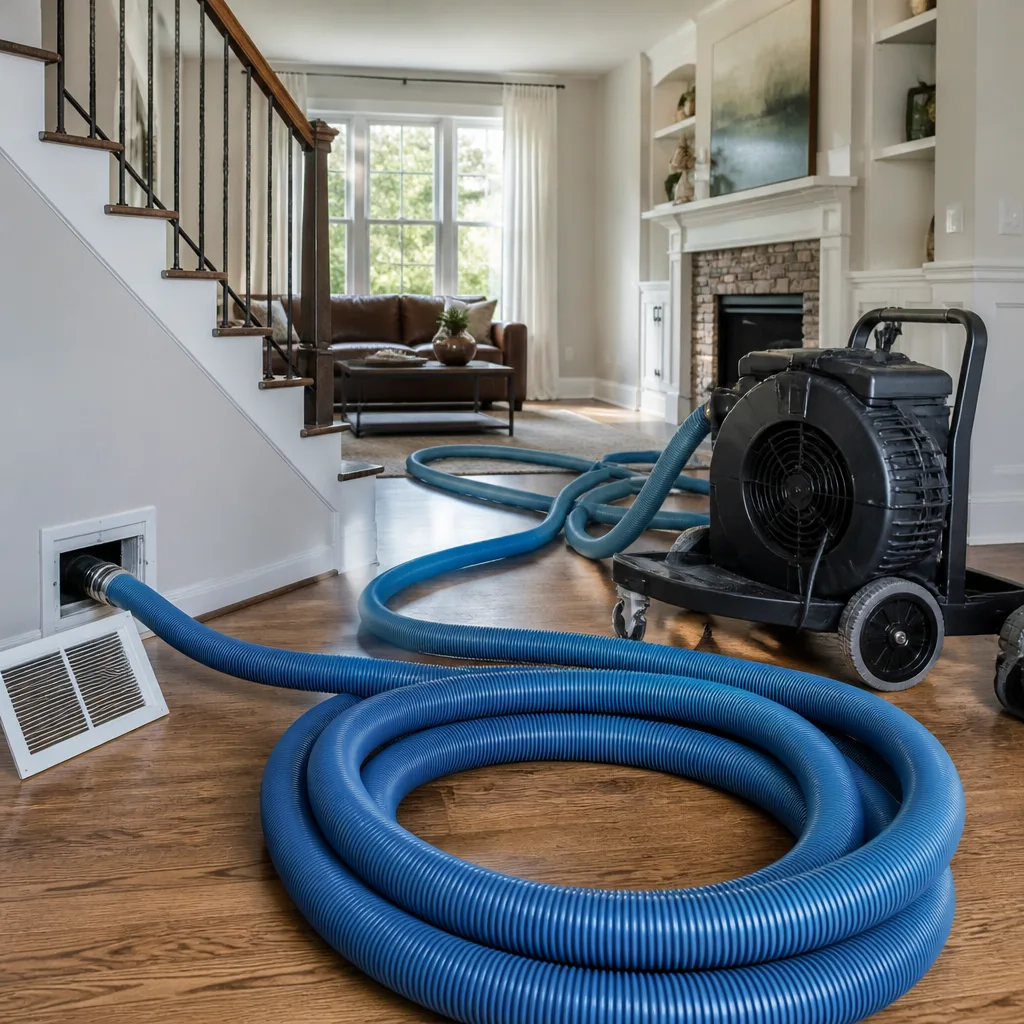 Whole-home duct cleaning
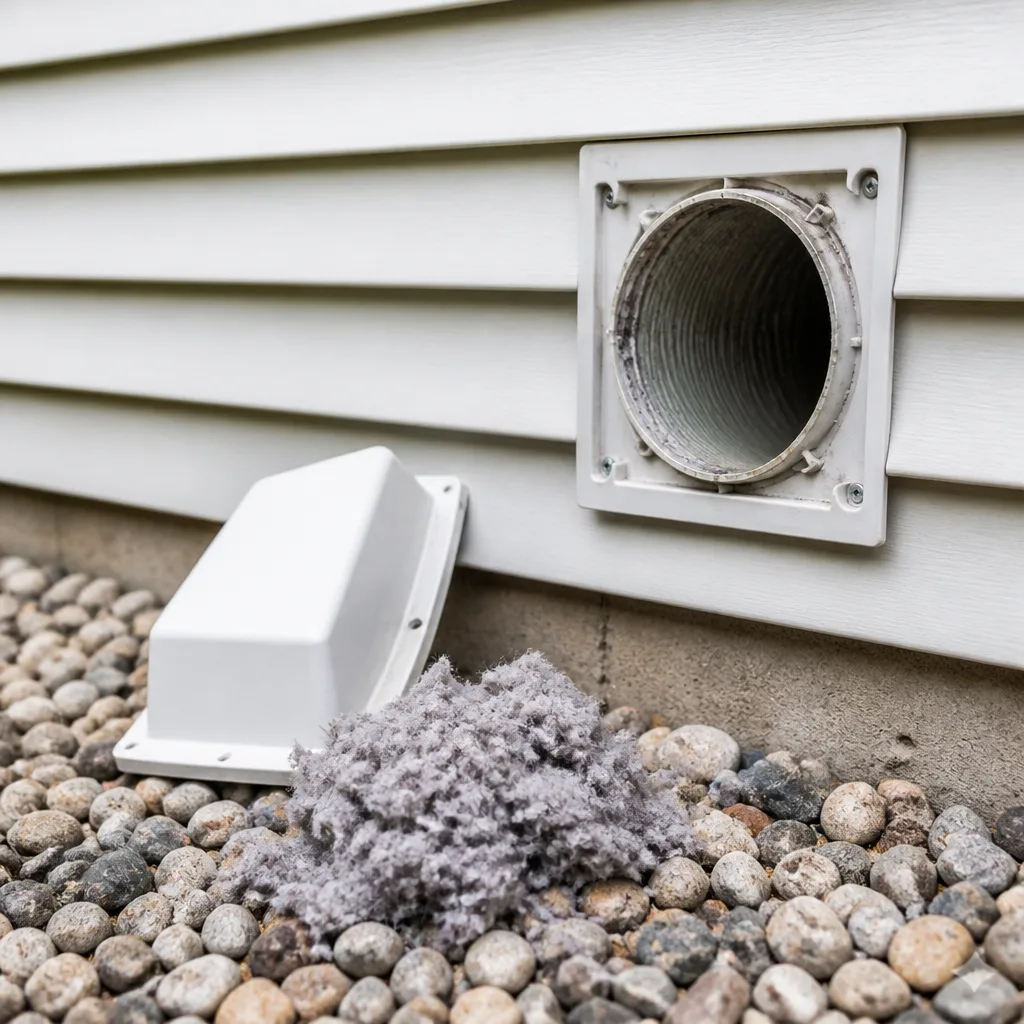 Dryer vent cleaning
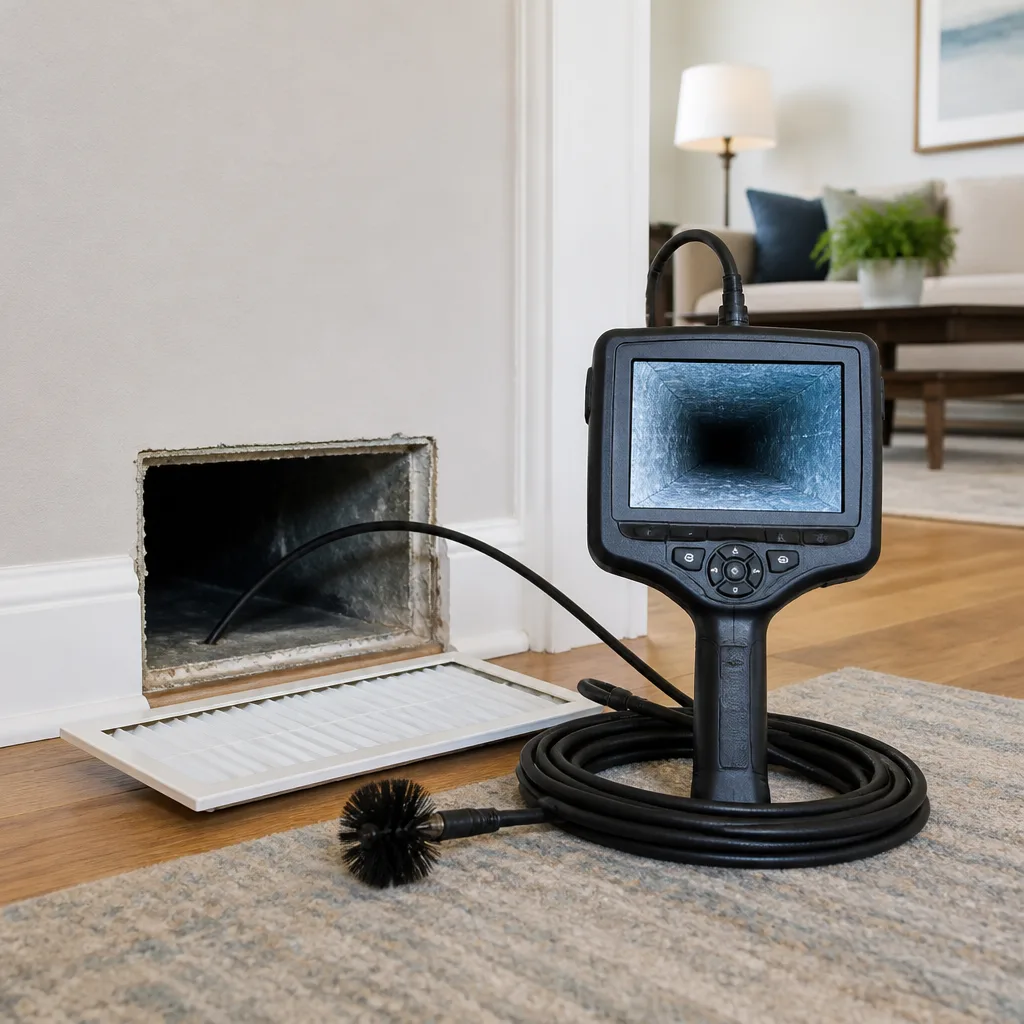 Camera inspection
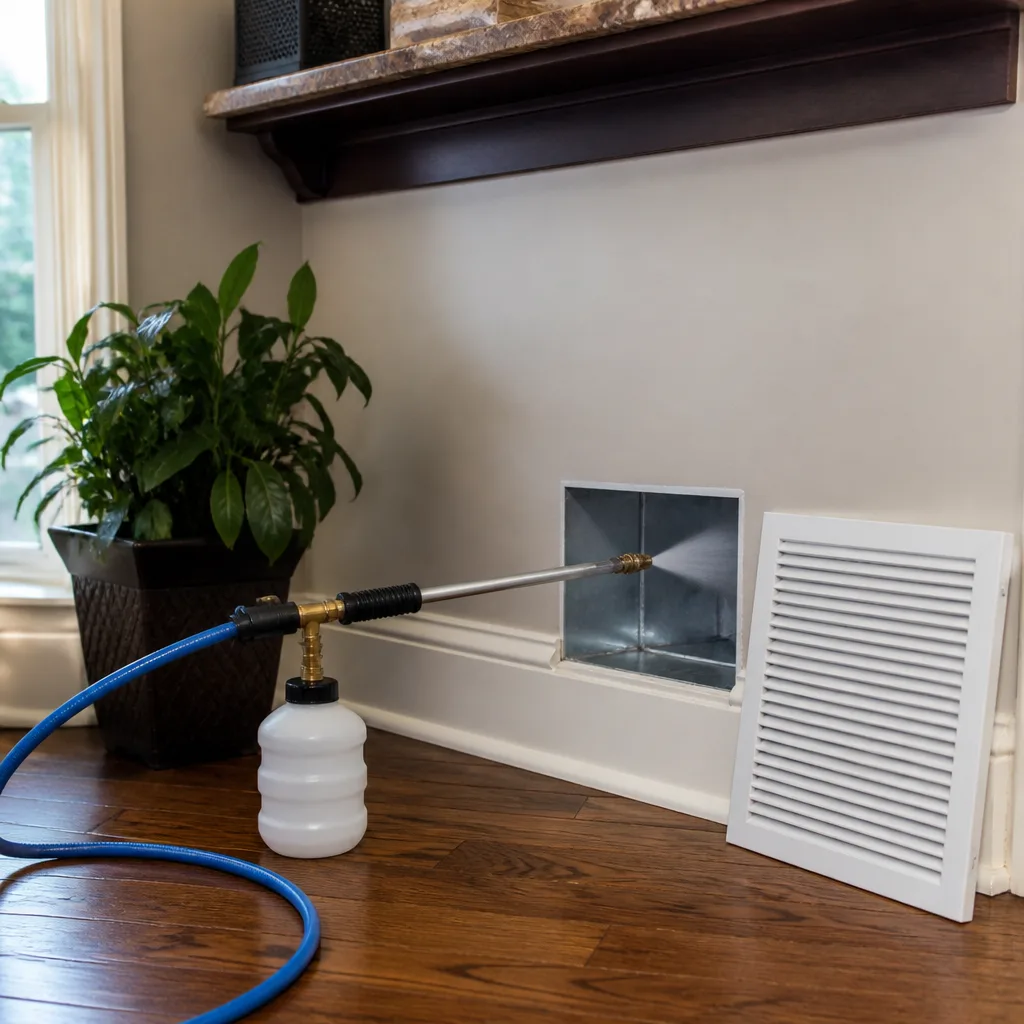 Sanitizing & deodorizing
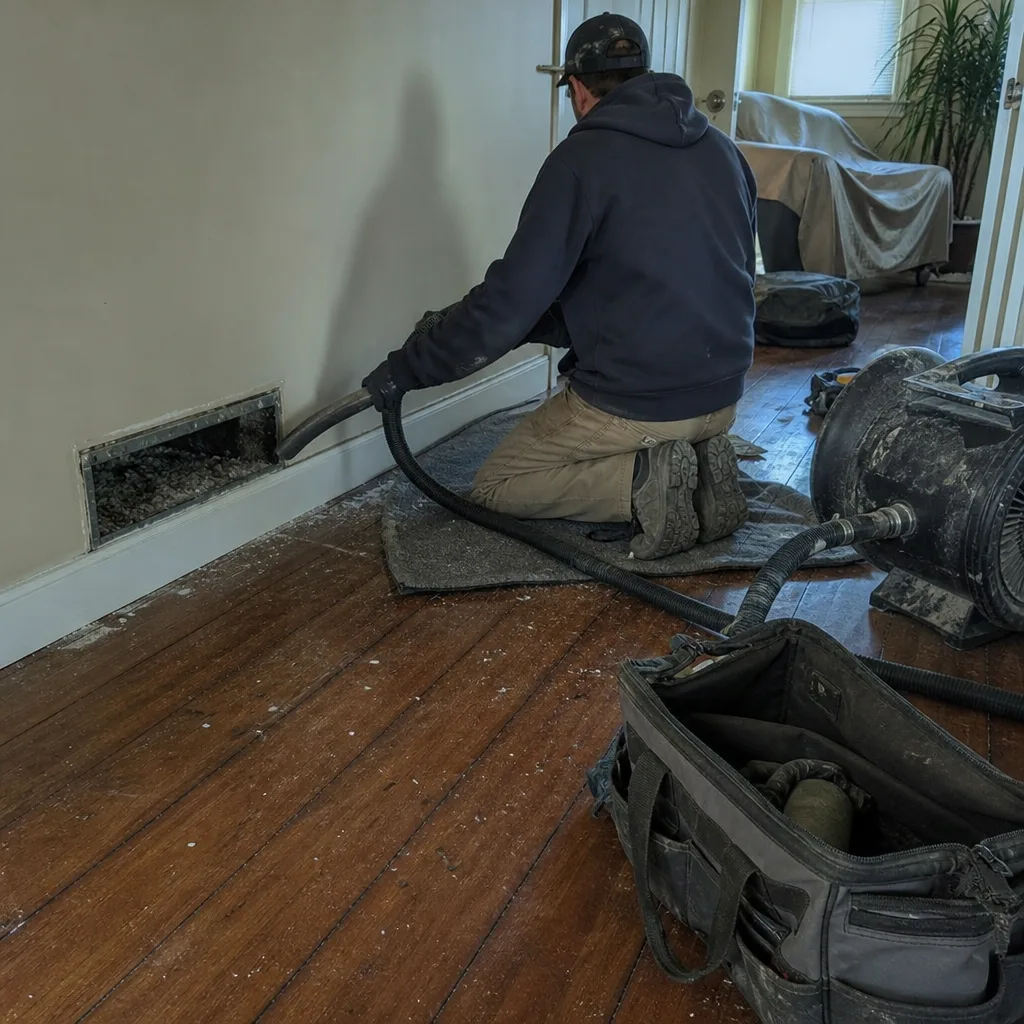
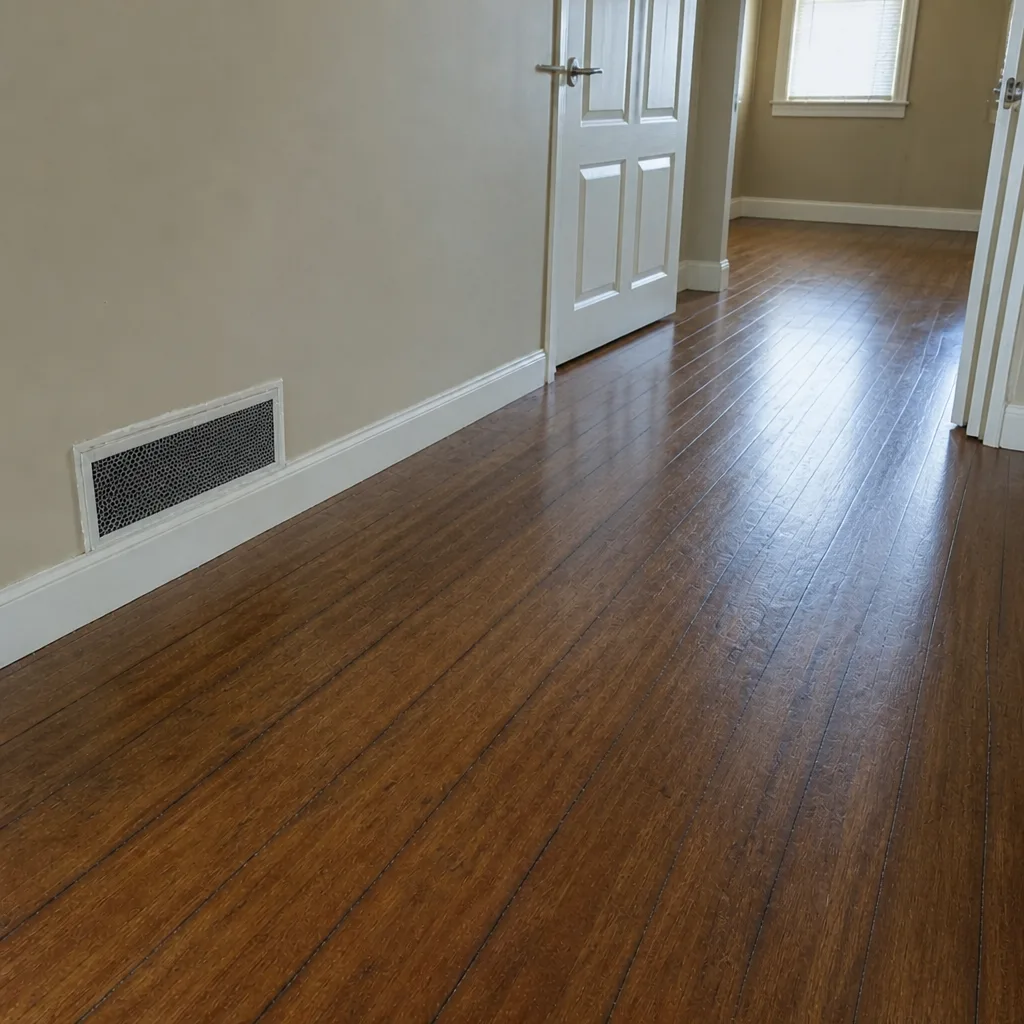
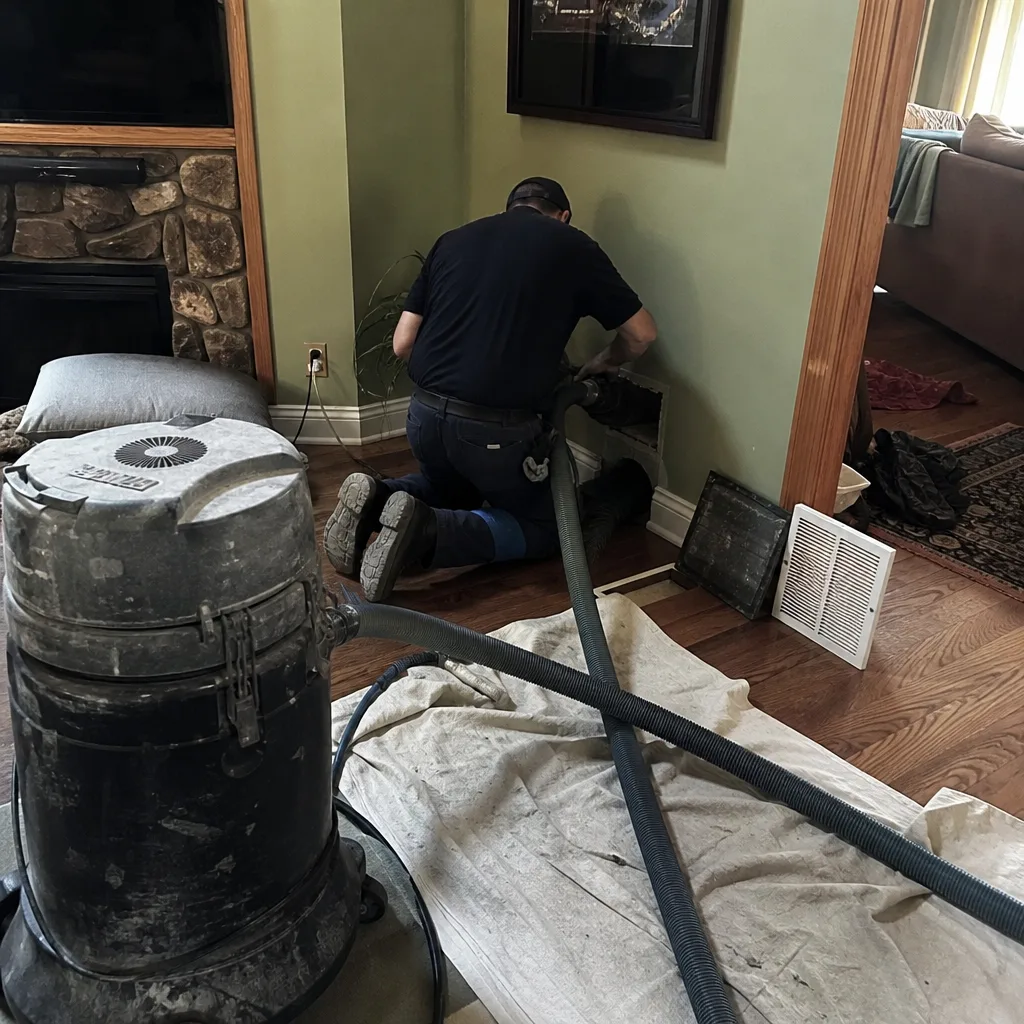
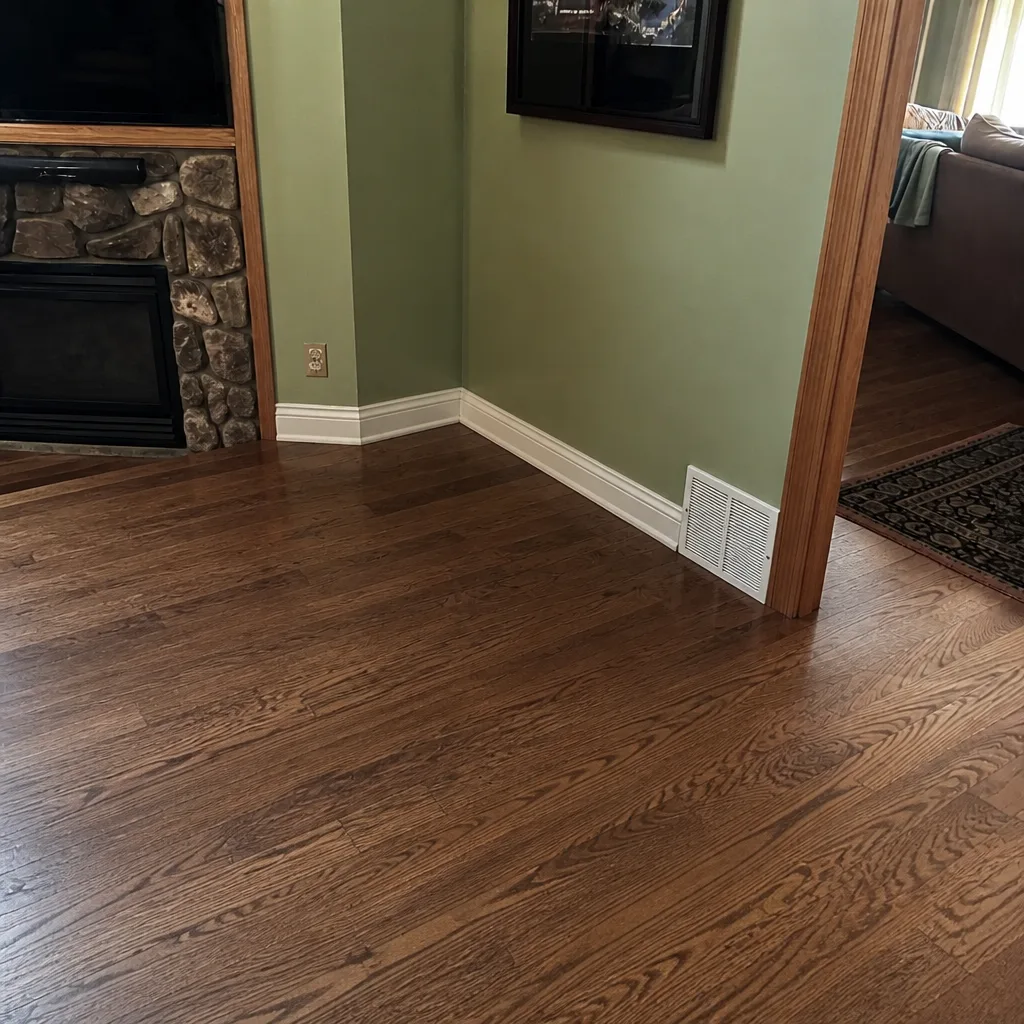
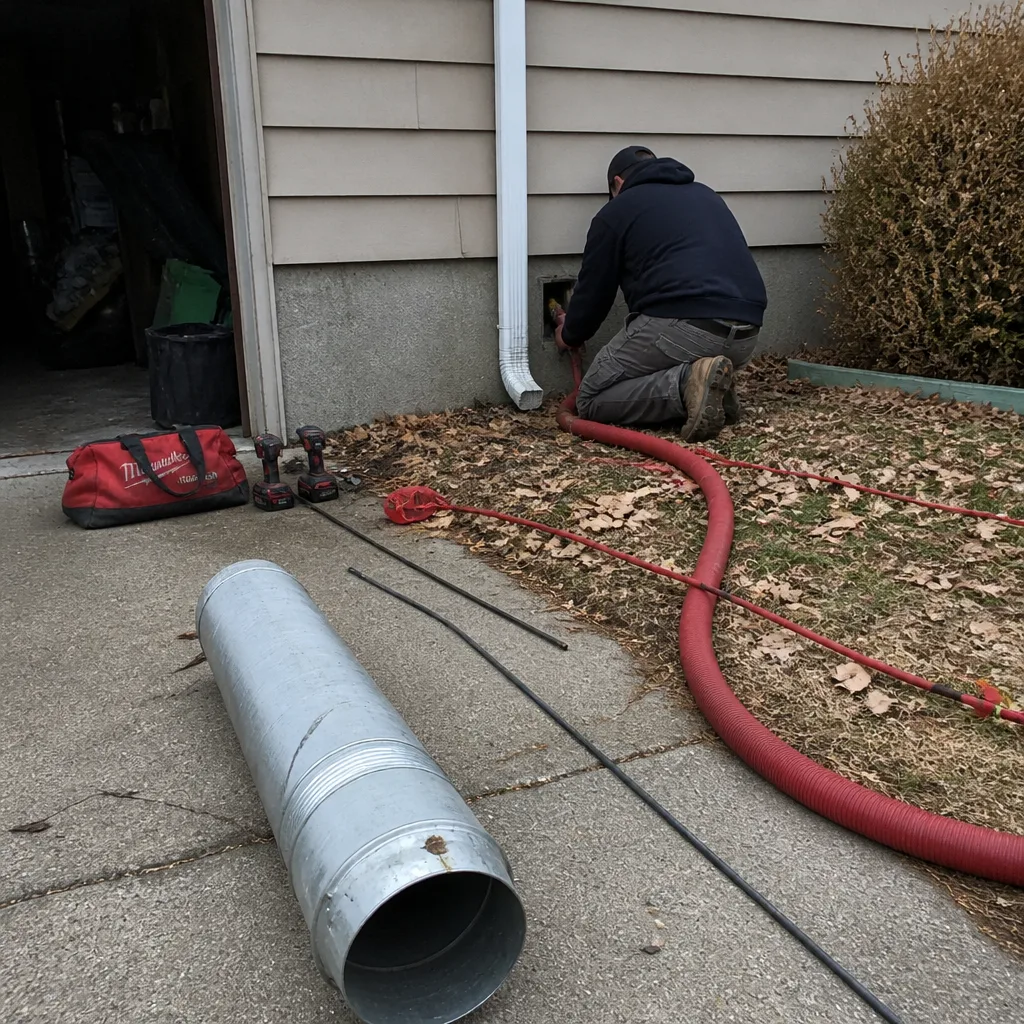
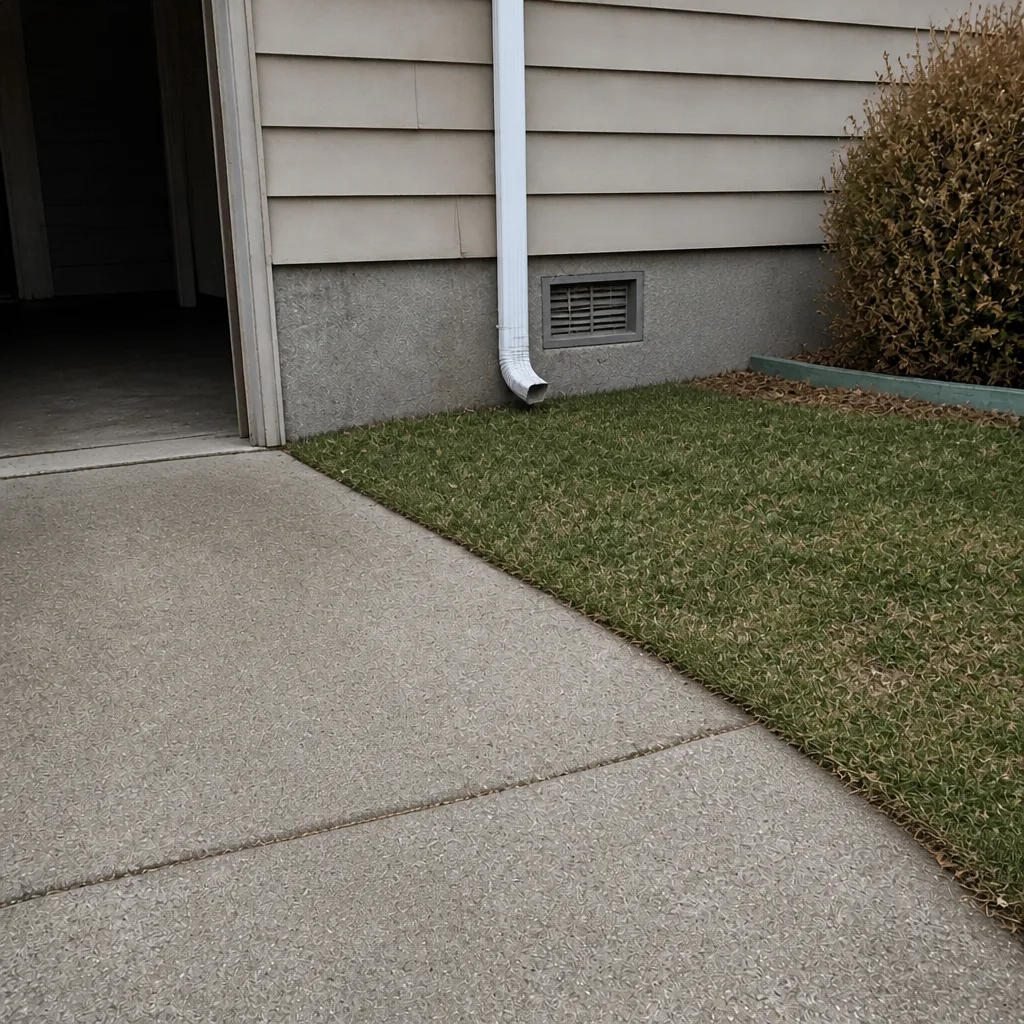
Whole-system duct and dryer vent check with before-and-after photos - you see exactly what came out of your vents
That "$99 whole-house special" is a bait ad - the real number appears once they are in your hallway, or the "clean" is a shop-vac at the register. We photograph the inside of your ducts before and after instead.
Air Duct Cleaning Maintenance Schedule: What to Do and When
You’ve seen the number “every 3 to 5 years” printed on every duct cleaning website you’ve visited today. Here’s what those sites don’t tell you: the EPA’s own guidance on duct cleaning frequency intentionally avoids naming a single interval for every home, because a universal answer doesn’t exist. What exists instead is a set of household conditions you can actually measure. Two homes on the same Kansas City street can have wildly different maintenance needs depending on pets, renovations, filtration habits and duct construction. This guide replaces the copy-paste schedule with a logic-driven maintenance calendar built around the variables that actually set your interval.
Quick Answer
Professional duct cleaning in Kansas City is typically needed every 2 – 5 years, but the right interval depends on five household variables: pets, smoking, renovation history, allergy or asthma occupants, and duct material type. Start with a baseline inspection and a filter plan, then adjust your schedule as those variables change. Filter maintenance between cleanings does more to protect your ducts than the cleaning itself.
Styles & brands we work with
- Whole-home duct cleaning
- Dryer vent cleaning
- Camera inspection
- Sanitizing & deodorizing
Table of Contents
- Why “Every 3 to 5 Years” Isn’t an Engineering Standard
- The Five Variables That Set Your Actual Interval
- Filter Maintenance: The Primary Lever You Control
- What to Inspect Annually Yourself
- Post-Event Triggers That Override Any Schedule
- Building a Written Maintenance Log That Pays Off at Sale
- Kansas City Seasonal Context for Duct Maintenance
- What a Professional Cleaning Visit Should Include
Why “Every 3 to 5 Years” Isn’t an Engineering Standard
The 3-to-5-year interval is a marketing convention, not a number pulled from a spec sheet. The truth is that duct contamination builds at a rate determined by your specific home, your specific HVAC system and your specific habits. A home with two long-haired dogs, ongoing kitchen remodeling and a homeowner who runs the system fan continuously will load its return ducts at a materially different rate than a home of the same square footage with no pets and a twice-annual filter change.
What the EPA actually recommends is different from what most duct cleaners say. The agency’s position is that ducts should be cleaned when there is a documented reason: visible mold growth inside the system, vermin infestation, confirmed particulate buildup that the homeowner can see, or obstruction affecting system performance. Not on a calendar. Not on a coupon schedule. On evidence.
We understand why the industry settled on “every 3 to 5 years.” It’s easy to say, easy to market and easy to put in a coupon mailer that lands in a Kansas City mailbox every spring. But when you’re paying for a real service call, you want a reason grounded in your home, not one grounded in a competitor’s advertising calendar.
This guide walks through the variables that should actually drive your decision, then gives you an inspection routine and a logging habit that replaces guesswork altogether. If you take one idea away: inspect annually, clean on evidence, and revisit your interval as the household changes.
The Five Variables That Set Your Actual Interval
If you want to replace “every 3 to 5 years” with a real answer for your home, start by scoring these five variables. Any single one of them can pull your cleaning interval dramatically shorter. Three or more together will usually mean an interval closer to 2 years than 5.
1. Pets
Furred pets are the single largest home-level driver of duct loading we see. Dander, hair and dander-attached particles are low-weight and easily airborne, which means a large share of what a shedding dog produces eventually reaches the return air path. Homes with multiple long-haired animals and forced-air heat typically warrant inspection far more often than the standard interval suggests.
2. Smoking Indoors
Indoor smoking leaves tacky residue that captures other particulates and makes the deposits inside the system harder to dislodge with ordinary airflow. Ducts in a home with regular indoor smoking generally need cleaning sooner and need a more thorough approach than ducts in a smoke-free home.
3. Renovation History
Drywall dust is the single most aggressive particle your HVAC system will ever see. Kansas City’s busy remodeling market – kitchen expansions, basement finishes, older-home renovations across neighborhoods like Strawberry Hill and Rosedale – means many homes carry renovation dust that took up residence during a project and never left. Every major remodel is a trigger to inspect, even if your scheduled interval hasn’t come due.
4. Allergy or Asthma Occupants
If someone in the home has allergies, asthma or other respiratory sensitivity, the case for proactive cleaning and diligent filter maintenance becomes stronger. Ducts don’t cause those conditions, but they can hold reservoirs of dust, pollen and other particulates that circulate during the heating and cooling seasons. For households managing allergies, clean on the tighter end of every estimated interval and inspect more frequently.
5. Duct Material Type
Sheet-metal ducts, flex duct and ductboard each trap debris differently. Flex duct’s ribbed interior surface collects deposits in ways smooth sheet metal doesn’t, and flex runs are more prone to sagging and disconnected joints that invite dust. Rigid metal ducts with properly sealed seams hold less debris and drain less energy between cleanings. Knowing your duct construction – which a technician can identify in a short inspection – should always shift your schedule.
Quick reference interval guide
| Household Profile | Typical Inspection Cadence | Typical Cleaning Interval |
|---|---|---|
| No pets, non-smoking, no allergy occupants, metal ducts | Every 2 years | 4 – 5 years |
| One pet, non-smoking, metal ducts | Annually | 3 – 4 years |
| Multiple pets or allergy occupants | Annually | 2 – 3 years |
| Recent remodel, indoor smoking, or flex duct throughout | Annually | 2 years or on event |
| Any single documented contaminant event (see below) | Immediately | On event |
These are typical estimates, not guarantees. Your written inspection findings and estimate set the actual scope for your home. For a deeper look at what a service visit covers, see our air duct cleaning service page.
Filter Maintenance: The Primary Lever You Control
Here’s the thing almost nobody tells you: the biggest variable in how fast your ducts load is not the ducts. It’s the filter. A properly rated filter changed on schedule is your HVAC system’s first line of defense, and consistent filter maintenance can dramatically reduce in-duct debris accumulation between professional cleanings.
The trap many homeowners fall into is running the wrong filter. Ultra-high-MERV filters, or restrictive filter media that wasn’t designed for the blower in a given system, can bog down airflow, cause the blower to work harder, and even reduce system efficiency. The right answer is a filter rated high enough to capture the particles that matter (many HVAC professionals point to MERV-11 as a sensible middle ground for homes investing in air quality) while being specifically compatible with the system’s rated airflow.
A filter maintenance routine that actually holds up
- Write the change date on the filter edge with a marker the moment you install it. Future you will thank present you.
- Check monthly for the first three months after a new filter goes in. This calibrates how fast your specific home loads a filter.
- Match your cadence to the load you see: 3-month changes for most homes, 1 – 2 months during heavy pollen seasons or if you have pets.
- Replace after any renovation project no matter what the calendar says. Drywall dust will destroy a filter in days.
- Log the change in your maintenance file (covered later) so the history is documented at resale.
If you invest in a whole-home filtration system – Honeywell and Aprilaire are the two brands most Kansas City homeowners with upgraded filtration tend to have – the change cadence often depends on the system’s own monitoring or media replacement schedule. A technician familiar with these systems can clean around the existing equipment without disturbing it and tell you what the system itself is telling you. Our full-scope approach at Millbrook Air Duct Cleaning is built around working with whatever filtration and air-quality hardware is already in the home, not against it.
What to Inspect Annually Yourself
You don’t need tools to do a valuable annual inspection. You need a flashlight, a step stool and about 20 minutes. This is a “look for problems” inspection, not a “reach inside the duct and take things apart” inspection. If something looks wrong, note it and call a professional – don’t try to correct duct issues yourself, since flex duct, seams and internal components can be damaged by improvised tools.
Step-by-step annual duct inspection
- Remove supply register grilles and look inside. A dusty grille face is normal. Significant soft buildup, discoloration or visible debris sitting on the duct interior is not. Photograph anything that concerns you.
- Check the return air grilles. Returns carry the heaviest particle load, so a return that looks noticeably worse than a supply is telling you something about overall filtration.
- Trace visible flex duct runs. In a basement or crawlspace, flex duct should hang straight with no sags, kinks or crushed sections. Look for disconnected joints – essentially, an open gap where the duct has separated from its fitting.
- Feel for air leaks around joints and boots. With the system running, lightly run your hand along accessible joints. If you feel air escaping, that’s a duct leak silently wasting conditioned air and pulling unfiltered air in.
- Look at the return air cavity – the space between the grille and the duct connection. Debris accumulating in the cavity is common; significant buildup in that space is a routine reason we recommend a professional cleaning.
- Smell test. A slight musty note after the system first kicks on isn’t unusual. A persistent smell that intensifies when the fan runs is a sign to call for an inspection.
- Write what you found in your maintenance log along with the date, so you can track trends from year to year.
Owners of older Kansas City homes, particularly in neighborhoods like Argentine and Armourdale where housing stock can run older, should pay extra attention to the return air cavities and to any flex duct that’s nearing its service life. If your inspection turns up disconnected or damaged runs, that’s a repair situation rather than a cleaning one. Our dryer vent cleaning service is a useful companion stop on the same inspection pass – dryer vents aren’t technically part of the duct system, but they’re the highest-impact airflow component most homeowners never check.
Post-Event Triggers That Override Any Schedule
Every home has a scheduled interval. Some events override it. If any of the following happen, treat the duct system as a fresh starting point: get an inspection before returning to your normal cadence.
- Flood or water intrusion. Water reaching duct insulation or the interior can create conditions for biological growth in the system. Any water loss in a home with forced air is a trigger for professional inspection and cleaning.
- Fire or smoke restoration. Even when a fire is contained to one room, smoke residue travels through the return path. Post-restoration duct cleaning is nearly always part of a complete recovery scope.
- HVAC replacement or major repair. A new system is a natural moment to clean and inspect the ducts before the new equipment starts pushing air through them. Debris that was dormant under the old equipment will circulate under the new.
- Rodent or pest activity. Droppings, nesting material and chewed flex duct are common in attics and crawlspaces. If you’ve seen an active rodent problem, get the ducts professionally cleaned and inspected before you assume the problem is solved.
- Major renovation. Any drywall work, sanding or demolition inside the home – especially basement finishes – produces the dust load we covered earlier. Treat every renovation as a trigger.
- New-home purchase. If you just bought a home, don’t assume the previous owner cleaned the ducts. Recent buyers are the most common callers we work with who don’t know the system’s history, and the first professional cleaning establishes a baseline for everything that follows.
In every one of these scenarios, the right first step is an inspection that documents what’s actually in the system. Cleaning and repair, done by the same team on the same visit, is often practical when both are needed – a combination our Kansas City service handles routinely.
Building a Written Maintenance Log That Pays Off at Sale
A maintenance log sounds like a chore until you realize it’s the single most valuable piece of documentation a homeowner can carry into a sale. Kansas City real estate transactions nearly always surface a disclosure question about the home’s systems, and “I don’t remember” is not a great answer when the buyer’s agent is asking about the HVAC and ducts.
What to log, every time
- Date of every filter change with the filter’s MERV rating.
- Date of every professional duct cleaning plus the service company name and scope of work performed.
- Date of any duct repair – sealed joints, replaced flex runs, repaired boots.
- Date of every home inspection that touched the HVAC or duct system, with the findings.
- Date of any event trigger – flood, renovation, pest activity – and the follow-up service date.
- Photos of before/after cleaning, damaged components found, and repaired sections.
How to organize it
- Create one folder – physical or digital – titled with the address of the home. Everything duct-related goes in it.
- For each entry, record the date, the action, who performed it and any readings or findings.
- Keep receipts in the same folder. An invoice with a clean scope description is worth more than a vague line in a spreadsheet.
- Store the folder with the home’s other ownership documents (closing paperwork, appliance manuals) so it moves with the home at sale.
- Review the log annually during your self-inspection and note any changes to household variables (new pet, new baby, renovation planned).
When you sell, the log is a disclosure asset and a marketing asset. A buyer who sees documented annual maintenance and a professional cleaning record has one fewer unknown to worry about. That’s worth more than any coupon a seller could offer.
Kansas City Seasonal Context for Duct Maintenance
Kansas City sits in a climate band that swings hard in both directions. Summers bring sustained heat and heavy pollen from area trees and grasses; winters run cold enough that heating systems run close to continuously for stretches. That swing matters for duct maintenance because the system does real work for most of the year.
The practical implications are straightforward:
- Spring pollen push. When outdoor pollen loads spike, home filtration catches a disproportionate share of particles. Increase filter checks in spring and expect faster loading.
- Summer AC runtime. Extended cooling seasons mean the system runs long enough that interior duct condensation can occur in some setups. Inspect for moisture at the same time as your annual check.
- Fall transition. Before heating season starts, have your filter freshly changed and do your annual inspection. Entering the winter with a clean filter saves you the coldest-month scramble.
- Winter draw. Heating system cycles can pull from the return cavity more aggressively than in milder seasons, so any debris sitting near returns tends to get pulled into the airstream during winter.
- Renovation season. Many Kansas City remodel projects are timed around weather, which makes spring and fall the highest-risk months for renovation dust reaching your ducts.
The upshot: in Kansas City, the annual filter change and self-inspection cadence works best anchored to the seasonal transitions (spring before pollen, fall before heating). Two checkpoints a year, in other words, rather than one long look in the middle of summer.
What a Professional Cleaning Visit Should Include
A real professional cleaning visit is more than sticking a hose in a register and blasting air. It involves source removal with controlled containment, and it should leave you with pictures and a written scope. Here’s what to expect from a thorough visit, and what to ask about when you get quotes.
What a thorough visit includes
- An inspection first – register-by-register visual check, return cavity evaluation, and identification of duct material type and any disconnected or damaged runs.
- Containment setup so that loosened debris is captured rather than redistributed into the home. Negative-air-pressure equipment is the standard for proper containment; we use Abatement Technologies equipment for this stage.
- Mechanical agitation of the duct interior and registers with purpose-built professional equipment. The equipment matters: Rotobrush and Nikro systems are designed specifically for duct interiors, not repurposed shop vacuums or consumer-grade tools.
- Return air cavity and blower compartment cleaning – these are where most homeowners’ real problem sits, and skipping them leaves the source of the buildup in place.
- Biological and particulate check after cleaning, including a final register-by-register look and before/after photos you can review.
- A written scope documenting exactly what was cleaned and what, if anything, needs repair.
If the visit turns up damage – a disconnected flex run, a crushed section, a leaking joint – the right answer is repair on the same visit rather than a second appointment with a separate contractor. That’s the “clean ducts, repaired ducts” model we work under, and it avoids the frustrating scenario of cleaning ducts only to have the cleaned system leak again within a season. Since our technicians have up to 10 years of experience, they’ve seen the full range of Kansas City duct systems and can identify the near-certain failure points during the inspection.
Common Mistakes to Avoid
- Treating “every 3 to 5 years” as a fixed rule. If the household has gained pets, done a renovation, or added indoor smokers, the calendar needs to move – not the other way around.
- Running a filter that’s wrong for the system. Ultra-high-MERV filters in a system not rated for them reduce airflow and can actually create problems. Filter selection is a system-level question, not a shopping decision.
- Skipping the return cavity when inspecting. The returns carry the heaviest load in most Kansas City homes, and they’re the part most homeowners never open.
- Calling a cleaner instead of a full-scope team after an event trigger. If you’ve had a flood, fire, pest issue or major renovation, the visit needs to include repair inspection, not just cleaning – otherwise you’ll pay twice.
- Chasing the cheapest quote. A quote that comes in far below the rest almost always means less scope – smaller equipment, no containment, no register-by-register work. Ask what equipment is brought and whether containment is included.
- Forgetting the dryer vent. The dryer vent is not technically part of the duct system, but it’s the highest-risk airflow component in the home, and many “duct cleaning” companies don’t touch it. Have it checked on the same visit.
- Not keeping records. A clean duct system with no documentation is worth less at sale than a well-documented one. Log every filter change and every service call as though a future buyer is going to read it.
See the difference
 Before
 After
 Before
 After
 Before
 After
When to Call a Professional
Some situations call for a self-inspection; others are call-a-professional territory. Contact a pro if you see visible debris buildup inside ducts, if a return air cavity is clearly loaded, if any flex run has sagged, disconnected or been crushed, if there’s a persistent musty smell when the fan runs, or if any of the event triggers above has hit your home. Prior to selling or buying a home with no documented duct history, a documented cleaning and inspection is worth the call. In any of these situations, we can inspect and give you a written scope before any work begins.
Millbrook Air Duct Cleaning offers free estimates in Kansas City – call (855) 473-1004. We answer 24/7. Fast dispatch from 7am to 7pm, Sunday through Friday.
Frequently Asked Questions
Most Kansas City homes need professional cleaning every 2 to 5 years, and the right interval is set by household conditions – pets, smoking, renovation history, allergy or asthma occupants, and duct material – rather than by any fixed rule. A home with multiple pets and recent remodeling typically needs cleaning closer to the 2-year mark, while a no-pet, non-smoking home with metal ducts can often go 4 to 5 years between cleanings. Filter maintenance and annual self-inspection shorten the guesswork. Call (855) 473-1004 for an exact quote – estimates are free.
“Every 3 to 5 years” is a marketing convention, not an engineering standard, and the EPA’s own guidance avoids naming a fixed interval. The correct approach is to clean on evidence – visible buildup, event triggers, documented damage – rather than on a calendar. Household variables move the real interval in either direction. Call (855) 473-1004 to schedule an inspection and get a real answer for your home.
Pricing is set per job by a written estimate after inspection, because two homes of the same square footage can require very different scope depending on duct layout, register count and whether repair is needed. Some companies advertise low teaser coupons that grow into far larger invoices once the technician is on site; others quote a flat price for the system up front. Ask for a written scope that lists equipment being brought, containment, register-by-register work and whether repair is included. Call (855) 473-1004 for an exact quote – estimates are free.
Cheaper quotes almost always mean smaller scope: consumer-grade equipment instead of professional-grade tools, no negative-air containment, no register-by-register work and no inspection or repair capability. A company that sends out a small crew with a shop vacuum can quote a low price and still be profitable. The professional standard involves purpose-built equipment and proper containment so debris is captured rather than redistributed. Call (855) 473-1004 to talk through what your home actually needs.
Require before-and-after photos of your own ducts from the visit, plus a written scope of work, and check that containment was set up while the cleaning was performed. A crew that can’t show you what they found or what they changed hasn’t given you anything to verify. Photos and a written scope are the standard that proper professional visits should meet. Call (855) 473-1004 to schedule a visit with documentation.
Yes – a new-home purchase is one of the strongest reasons to schedule an inspection, because the previous owner’s maintenance history is almost always unknown. A first cleaning establishes a baseline for every future decision about your interval. It also surfaces repair issues while you still have room to address them before they compound. Call (855) 473-1004 to book a new-home inspection.
The Bottom Line
There’s no universal duct cleaning schedule that fits every home. The interval that fits your home depends on five variables you can actually evaluate: pets, indoor smoking, renovation history, allergy or asthma occupants and duct material. Filter maintenance between cleanings does more of the heavy lifting than most homeowners realize, and a short annual self-inspection replaces guesswork with evidence. Post-event triggers – flood, fire, HVAC replacement, pest activity, major renovation – override whatever calendar you were following. Log everything you do, and when the evidence points to cleaning, use a team whose equipment and repair capability match the scope. Ours does.
Call (855) 473-1004 for a free estimate. We answer 24/7. Fast dispatch from 7am to 7pm, Sunday through Friday.
Written by the team at Millbrook Air Duct Cleaning.